YouTube’s New AI Labels: A Step Towards Transparency and Trust
YouTube's initiative to label AI-generated videos marks a significant step towards transparency, enhancing the viewing experience and trust between creators and users.
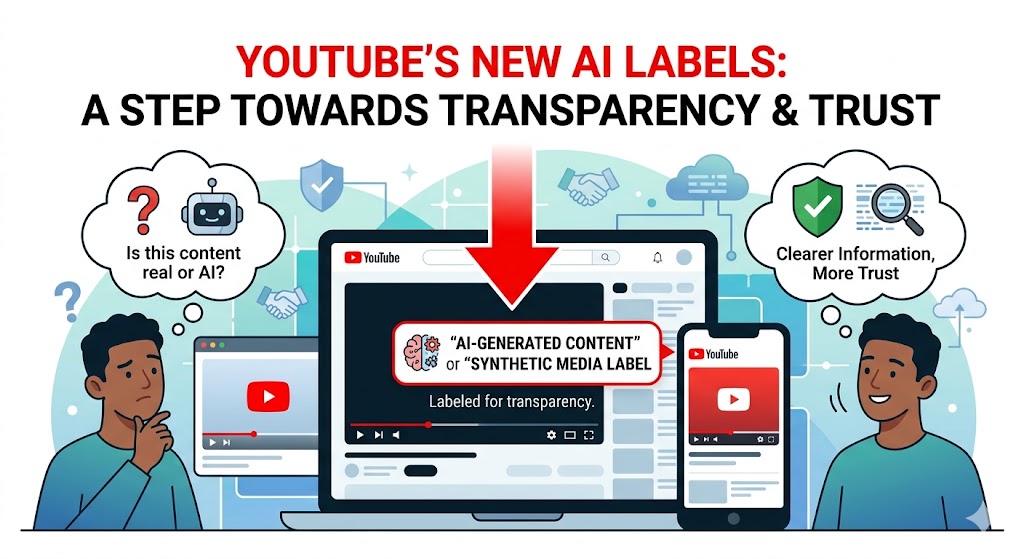
YouTube’s New AI Labels: A Step Towards Transparency and Trust
In an age where artificial intelligence is reshaping various industries, YouTube's recent announcement regarding automatic labeling for AI-generated videos is timely and significant. As more creators leverage AI technology to produce content, the need for transparency becomes paramount. This new initiative not only seeks to inform viewers but also aims to create a more trustworthy environment for both creators and consumers.
The Need for Transparency in AI Content
The rapid integration of AI in content creation has raised questions about authenticity and originality. With the rise of deepfakes and AI-generated videos, viewers are often left wondering about the credibility of what they see. YouTube's automatic labeling system is designed to tackle these concerns head-on by clearly indicating when a video has been generated or enhanced by AI.
Key Benefits of AI Labeling
- Increased Trust: Viewers can make informed choices about the content they consume, fostering a deeper trust in creators.
- Enhanced Discovery: Creators can leverage the labels to attract viewers who are specifically interested in AI-generated content.
- Encouraging Ethical Use: Labels promote responsible AI usage by encouraging creators to disclose their methods of production.
How the AI Labeling System Works
YouTube's approach involves the automatic detection of AI-generated content through advanced algorithms. Here’s a breakdown of how it operates:
- Content Analysis: YouTube’s system analyzes the video for signs of AI generation, such as synthetic speech or manipulated visuals.
- Label Generation: If the content meets certain criteria, an AI label is automatically appended to the video.
- Viewer Notification: When viewers encounter a labeled video, they are informed about its AI origin, allowing them to engage with the content more critically.
Implications for Creators and Developers
For indie hackers and startup founders, YouTube's labeling initiative presents both opportunities and challenges:
- Opportunities: Creators can distinguish their AI-generated content, potentially tapping into a niche audience eager for innovative formats.
- Challenges: There may be a learning curve for developers who need to ensure their AI tools comply with YouTube’s new standards for labeling.
Comparison of AI Labeling Impact on Different Types of Content
| Content Type | Trust Level | Viewer Engagement | AI Usage Transparency |
|---|---|---|---|
| Traditional Videos | Moderate | High | Low |
| AI-Generated Videos | High | Moderate | High |
| Hybrid Content | Medium | High | Medium |
The Future of AI in Content Creation
As AI continues to evolve, it’s evident that platforms like YouTube will adapt to these changes. The introduction of automatic labels is a crucial step towards ensuring that viewers are informed about the nature of the content they consume. This not only helps in building trust but also sets a precedent for other platforms to follow suit.
Practical Takeaways for Developers
- Stay Informed: Regularly check for updates on how platforms like YouTube are evolving their AI policies.
- Build Ethical Tools: If you're developing AI tools, consider how they align with transparency and ethical standards to enhance user trust.
- Leverage New Features: As labeling becomes commonplace, think of creative ways to utilize these labels in your marketing strategies.
FAQ
Q1: What types of videos will receive AI labels?
A1: AI labels will be applied to videos that are generated or significantly enhanced by artificial intelligence, such as deepfakes or synthetic content.
Q2: How can I ensure my AI-generated videos are labeled appropriately?
A2: Follow YouTube's guidelines and ensure your content meets the criteria for AI generation as defined by their algorithms.
Q3: Will the labels affect my video's visibility on the platform?
A3: While the labels aim to enhance transparency, their impact on visibility will depend on viewer engagement and YouTube's algorithm.
Q4: Can I opt-out of having my AI-generated content labeled?
A4: Currently, YouTube does not provide an option to opt-out of labeling if the content meets the criteria for AI generation.
Q5: How can viewers report misleading labels?
A5: Viewers can flag videos with misleading labels through YouTube’s reporting tools, helping to maintain content integrity.
Bottom Line
YouTube's initiative to automatically label AI-generated videos is a promising development that enhances transparency in an evolving digital landscape. For indie hackers and mobile developers, embracing this shift can lead to new opportunities for innovation while ensuring ethical standards in content creation. As the platform continues to refine its policies, staying informed and adapting to these changes will be key to thriving in the competitive world of online content.