Why Relying on AI Models Like Claude for Architectural Design is a Mistake
As AI tools like Claude gain popularity, it's crucial to understand their limitations in architectural design. Discover why human insight remains irreplaceable.
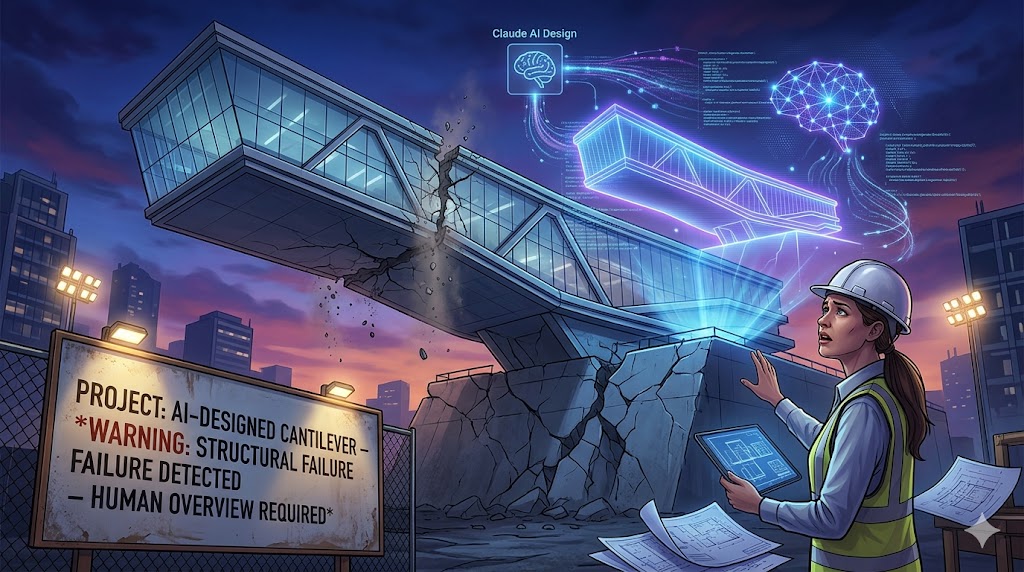
The Rise of AI in Design
Artificial Intelligence has significantly transformed various industries, including architecture, where tools like Claude are increasingly being adopted. These AI systems can analyze data, generate designs, and even assist in decision-making processes. However, the growing reliance on AI tools raises critical questions about their role in creative fields, particularly when it comes to architecture.
Understanding Claude's Capabilities
Claude is designed to process vast amounts of information and provide insights based on data-driven algorithms. Its strengths lie in:
- Data Analysis: Claude can efficiently analyze historical architectural data, trends, and user preferences.
- Design Generation: It can create multiple design iterations quickly, catering to various styles and requirements.
- Cost Estimation: Claude can assist in budget forecasting by analyzing material costs and labor.
While these capabilities are impressive, they do not equate to true architectural expertise.
Limitations of AI in Architectural Design
Despite its strengths, Claude has significant limitations that should not be overlooked:
Lack of Contextual Understanding: AI lacks the ability to grasp the nuanced context of a project, such as cultural significance or emotional resonance. This understanding is crucial in architecture, where designs must align with human experiences.
Creativity Constraints: AI operates based on existing data and patterns. It cannot innovate in the same way a human can. Architectural design often requires creative leaps that AI simply cannot replicate.
Ethics and Aesthetics: AI does not possess the ethical frameworks or aesthetic sensibilities that guide human architects. Decisions in architecture often involve moral considerations, which AI cannot navigate.
Collaboration and Communication: Architecture is inherently collaborative, involving discussions with clients, stakeholders, and other professionals. AI lacks the ability to engage in meaningful dialogue, which often leads to design misalignments.
The Architect's Role
Human architects bring invaluable skills to the table that AI cannot replicate:
- Empathy and User-Centric Design: Architects understand human needs and can design spaces that enhance user experience.
- Cultural Sensitivity: They consider local culture and environmental factors, ensuring their designs resonate with the community.
- Problem Solving: Architects can think critically and creatively to solve complex design problems, navigating unforeseen challenges with innovative solutions.
Case Studies: When AI Falls Short
Consider the following case studies where reliance on AI tools led to problematic outcomes:
- Inflexible Designs: Some firms have attempted to use AI-generated designs without human oversight, resulting in structures that were aesthetically unpleasing or functionally inadequate.
- Misinterpretation of Data: In a project aimed at creating sustainable housing, an AI model misinterpreted environmental data, leading to designs that were not eco-friendly.
These cases highlight the importance of maintaining a balance between AI assistance and human creativity.
A Collaborative Approach
Rather than viewing AI as a replacement for human architects, it should be seen as a tool that can augment their capabilities. Here are practical ways to integrate AI like Claude into the architectural process:
- Assisting with Research: Use AI for data gathering to inform design decisions without replacing human judgment.
- Design Iteration: Employ AI to generate multiple design options, which architects can then refine based on their expertise.
- Feedback Analysis: Leverage AI to analyze user feedback on designs, helping architects make informed adjustments.
Practical Takeaways for Developers and Startup Founders
As developers and founders in the mobile space, understanding the implications of AI tools can enhance your product development:
- Understand AI Limits: Recognize that while AI can streamline processes, it cannot replace the nuanced understanding of human professionals.
- Incorporate Human Insight: Always blend AI capabilities with human expertise to produce the best results.
- Stay Informed: Keep up with advancements in AI to leverage tools effectively without undermining the creative process.
FAQ
Q1: Can AI completely replace architects in the future?
A1: No, while AI can assist in various tasks, it cannot replicate the creativity, empathy, and contextual understanding that human architects provide.
Q2: How can AI tools benefit architectural firms?
A2: AI can enhance data analysis, design generation, and cost estimation, allowing architects to focus more on creative and critical aspects of their work.
Q3: What are the risks of relying solely on AI in design?
A3: Risks include lack of contextual understanding, creativity constraints, and potential ethical oversights that can lead to subpar designs.
Q4: Should I use AI tools in my startup?
A4: Yes, AI can streamline processes, but ensure to include human insight in decision-making to maintain quality and creativity.
Q5: How do I balance AI use in my projects?
A5: Use AI for data-driven tasks and design iterations, but always involve human professionals to guide and refine the outputs.
Bottom Line
AI models like Claude present valuable opportunities for the architectural industry, yet they cannot replace the essential human qualities that drive successful designs. Understanding their limitations and using them as collaborative tools will lead to better outcomes in architectural projects. Embrace AI’s capabilities while ensuring that human insight remains at the core of the design process.