SoftBank's OpenAI Investment: Navigating Rising Debt and Liquidity Concerns
SoftBank's significant investment in OpenAI is raising eyebrows amidst growing debt levels, leading to concerns about liquidity. This article explores the implications for tech investors and startups.
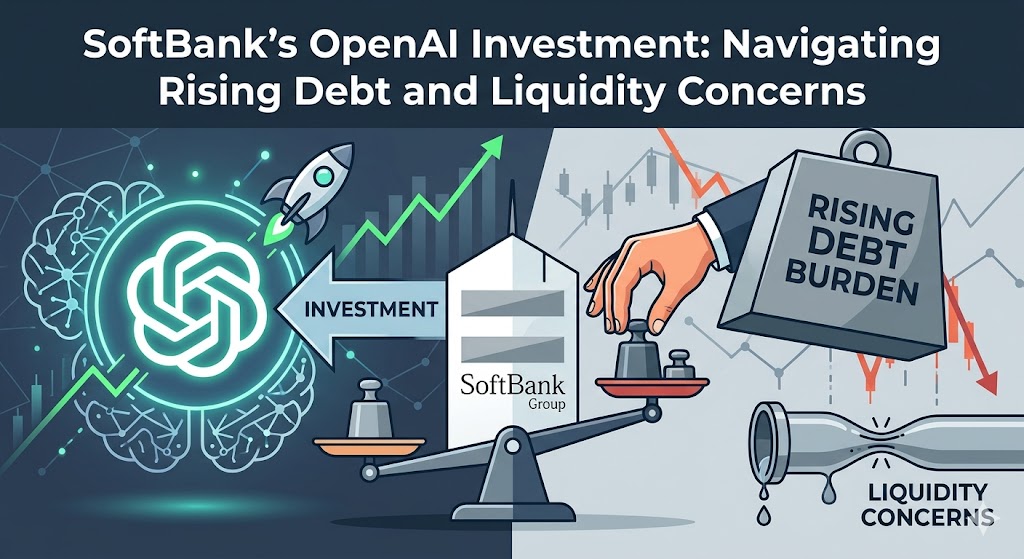
Understanding SoftBank's Investment in OpenAI
SoftBank has long been a prominent player in the tech investment arena, known for its bold bets on emerging technologies. One of its most significant recent investments is in OpenAI, a company leading the way in artificial intelligence research and development. While this investment has positioned SoftBank as a major player in the AI landscape, it has also raised questions regarding its financial health and liquidity.
The Context of the Investment
SoftBank’s Vision Fund, which has invested heavily in tech startups, sees potential in OpenAI's capabilities to impact various sectors, including healthcare, finance, and automotive. However, as this investment unfolds, the company’s mounting debt is coming into sharper focus, prompting analysts to assess the sustainability of its financial strategies.
Rising Debt Levels
SoftBank's debt levels have been climbing, a concern that financial analysts are increasingly vocal about. Here’s a breakdown of the current situation:
- Debt to Equity Ratio: SoftBank's debt-to-equity ratio has worsened, indicating that it is relying more on borrowed funds to finance its operations and investments.
- Interest Payments: With rising interest rates globally, SoftBank is facing higher costs associated with servicing its debt, which may limit its ability to invest in other ventures.
- Market Volatility: The tech market is notoriously volatile, and as SoftBank's investments hinge on the performance of the tech sector, any downturn could exacerbate its liquidity issues.
Liquidity Crunch Concerns
As liquidity becomes a pressing concern, it’s essential to understand what this means for SoftBank and the broader tech investment landscape:
- Funding Future Ventures: A liquidity crunch could impair SoftBank's ability to fund new projects or support existing ones, impacting startups within its portfolio.
- Investor Confidence: Rising debt levels may lead to decreased confidence from potential investors, making it challenging for SoftBank to raise additional capital when needed.
- Strategic Decisions: The company may need to make difficult decisions regarding its investments, potentially leading to divestments or scaling back on ambitious projects.
The Impact on the Tech Ecosystem
SoftBank’s financial health is closely tied to the performance of the tech ecosystem. Here are some potential impacts:
| Aspect | Potential Impact |
|---|---|
| Startup Funding | Decreased availability of capital for emerging startups. |
| Market Sentiment | Investor anxiety could lead to lower valuations across the sector. |
| M&A Activity | A slowdown in mergers and acquisitions as SoftBank evaluates its position. |
Practical Takeaways for Startups
For startup founders and investors, the situation calls for a careful evaluation of their funding strategies and investment portfolios:
- Diversify Funding Sources: Relying too heavily on a single investor can be risky. Explore multiple funding avenues to ensure stability.
- Monitor Market Trends: Stay informed about market dynamics, especially concerning larger players like SoftBank, to anticipate shifts that may affect your business.
- Financial Resilience: Build a robust financial model that prepares for downturns, focusing on sustainable growth rather than chasing rapid expansion.
Conclusion: Navigating Uncertainty
SoftBank's substantial investment in OpenAI is a clear signal of its commitment to the AI frontier. However, the rising levels of debt combined with liquidity concerns present challenges that could reverberate across the tech landscape. As the situation unfolds, it’s paramount for startup founders and investors to remain agile and informed, ensuring they can adapt to the changing financial landscape.
FAQ
Q1: What is SoftBank's Vision Fund?
A1: SoftBank's Vision Fund is a technology-focused investment fund that aims to support innovative startups in various sectors, particularly in AI and technology.
Q2: How does rising debt affect investment strategies?
A2: Rising debt can limit a company's ability to invest in new opportunities, as more capital is required to service existing debt obligations.
Q3: What should startups do in light of these financial concerns?
A3: Startups should diversify their funding sources, maintain strong financial models, and stay informed about market trends to navigate potential downturns effectively.
Q4: Are there any signs of liquidity issues for SoftBank?
A4: Yes, analysts have raised concerns about SoftBank’s liquidity due to its increasing debt levels and the challenges of servicing that debt amidst rising interest rates.
Q5: What does this mean for investors?
A5: Investors should approach investments in the tech sector with caution, considering the potential for reduced funding availability and market volatility prompted by SoftBank's financial strategies.