Robots in Airbnbs: A Controversial Test Sparks Lawsuit
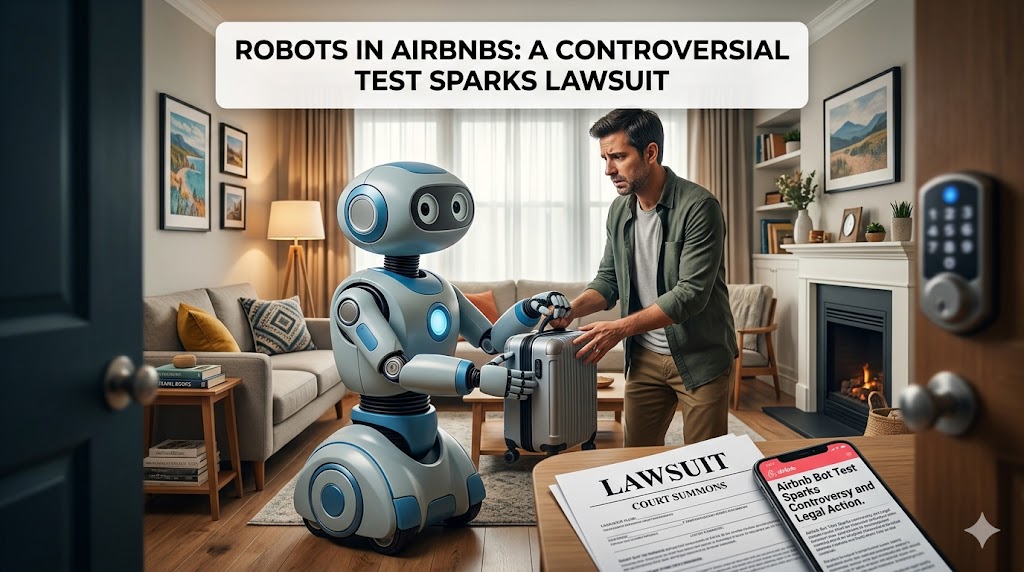
A San Francisco startup's disruptive testing of robots in Airbnbs is under fire after a lawsuit claims significant property damage. This situation raises crucial questions about innovation ethics in the sharing economy.
Introduction
In the heart of San Francisco, a startup's ambition to innovate has sparked a legal firestorm. The company, known for its pioneering work in robotics, is accused of conducting secret tests of their machines in Airbnb properties, leading to claims of property damage and unauthorized use. This incident shines a light on the often murky intersection of technology, ethics, and the sharing economy.
The Allegations
According to a lawsuit filed by a group of Airbnb hosts, the startup allegedly deployed its robots in various rental units without the owners' consent. The hosts claim that these tests resulted in extensive damage, ranging from broken furniture to significant wear and tear on the properties. Key points include:
- Unauthorized Access: Hosts were reportedly unaware that their properties were being used for these tests.
- Property Damage: Claims include damages estimated in the thousands, with specific incidents of broken appliances and ruined furniture.
- Safety Concerns: The hosts argue that the robots posed safety risks to guests, raising questions about liability and responsibility.
The Startup's Defense
In response to the allegations, the startup has maintained that it was conducting legitimate research aimed at improving robotic technology. They argue that the tests were necessary for advancing their products and claim that:
- Disclosure: They assert that all necessary disclosures were made, although this has been disputed.
- Innovation Benefits: The startup emphasizes the potential benefits of robotic technology in enhancing guest experiences and streamlining operations for hosts.
- Future Commitments: They have expressed a commitment to ensuring that any future testing will be conducted transparently and with proper consent.
The Broader Implications
This case raises important questions not only for the involved parties but for the tech industry at large. The sharing economy, epitomized by platforms like Airbnb, often operates in a gray area where traditional regulations struggle to keep pace with innovation. Key implications include:
Ethical Considerations
- Responsibility to Hosts: Startups must consider their ethical obligations to property owners. Testing technologies without consent can undermine trust and damage reputations.
- Balancing Innovation and Impact: Companies must weigh the potential benefits of innovation against the real-world impacts on individuals and communities.
Legal Ramifications
- Liability Issues: The lawsuit could set a precedent for how tech companies are held liable for damages in shared spaces. This could lead to stricter regulations in the tech sector.
- Regulatory Scrutiny: Expect increased scrutiny from regulatory bodies regarding the testing of new technologies in private properties.
Community Response
The incident has sparked a broader conversation among Airbnb hosts and the tech community. Many hosts are questioning the safeguards in place for their properties and whether they can trust startups to act responsibly.
A Comparative Look at Robotics Testing in Shared Spaces
| Aspect | Airbnb Robot Testing | Traditional Product Testing |
|---|---|---|
| Consent Requirement | Often unclear or ignored | Typically requires explicit consent |
| Damage Liability | Murky and contested | Clear and defined |
| Innovation Speed | Rapid, often unregulated | Slower, with oversight |
| Community Engagement | Limited engagement | More collaborative |
Practical Takeaways for Startups
As innovators in the tech space, startups must navigate complex landscapes of ethics and responsibility. Here are some practical takeaways:
- Transparent Communication: Always communicate openly with stakeholders about testing and development.
- Seek Consent: Ensure that you obtain clear consent from property owners before conducting any tests.
- Assess Risks: Identify potential risks and address them proactively to avoid legal issues.
- Engage with Communities: Foster relationships with local communities and stakeholders to build trust and ensure mutual benefits.
FAQ
Q1: What are the main allegations against the startup?
A1: The startup is accused of conducting unauthorized tests of robots in Airbnb properties, leading to significant property damage and safety concerns.
Q2: How has the startup responded to the lawsuit?
A2: The startup claims that they were conducting legitimate research and have expressed a commitment to transparency in future testing.
Q3: What are the potential legal implications of this case?
A3: This lawsuit may set a precedent for how tech companies are held accountable for damages in shared spaces, potentially leading to stricter regulations.
Q4: What can startups learn from this incident?
A4: Startups should prioritize transparency, seek consent, assess risks, and engage with local communities to avoid similar pitfalls.
Q5: How does this situation affect Airbnb hosts?
A5: The incident has raised concerns among hosts regarding the safety and integrity of their properties, prompting calls for clearer regulations and protections.
Bottom Line
The clash between innovation and responsibility is a recurring theme in the tech industry. As startups push the boundaries of what's possible, they must also navigate the ethical dilemmas that come with their advancements. This lawsuit is not just a local issue; it reflects a broader trend in the sharing economy, where the rapid pace of innovation must be tempered by a commitment to safety, transparency, and respect for individuals and communities. For developers and startup founders, this serves as a crucial reminder that the road to innovation is paved with responsibilities that can’t be overlooked.