Robinhood Empowers AI Agents to Trade Stocks: A New Era for Investors
Robinhood's latest feature enables AI agents to trade on behalf of users, transforming the investment landscape for developers and indie hackers alike.
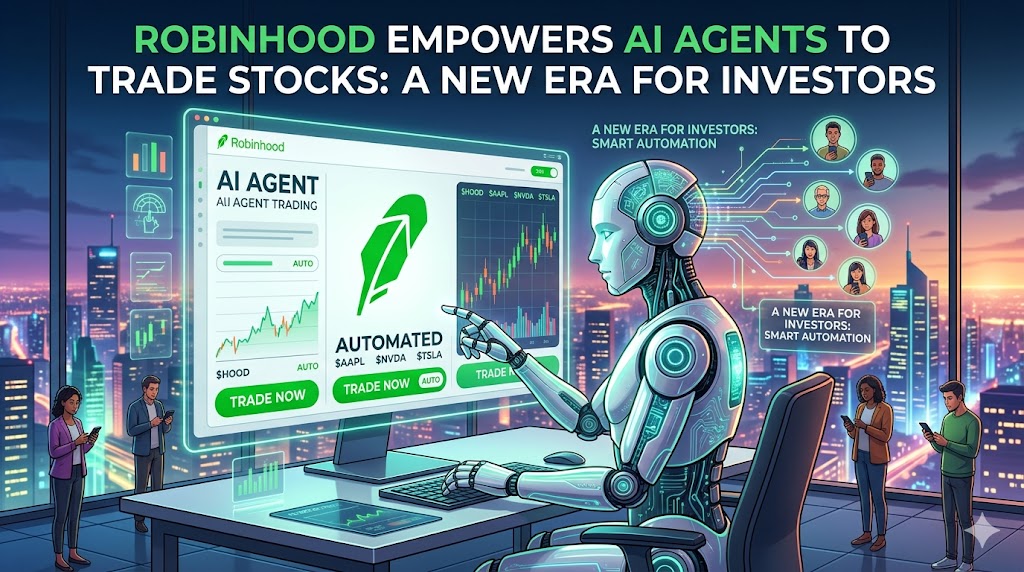
Robinhood's Bold Move into AI Trading
In a significant shift for retail investing, Robinhood has announced a new feature that allows AI agents to execute trades on behalf of users. This development represents a burgeoning trend in the financial services sector, where technology meets investment strategy in unprecedented ways. As developers, indie hackers, and startup founders, understanding the implications of this feature is crucial. Let’s dive into how this innovation could reshape your trading strategies and the broader investment landscape.
Understanding the AI Agent Trading Feature
Robinhood's AI trading feature empowers users to delegate their trading decisions to AI agents. Here's how it works:
- User Customization: Users can set parameters for their AI agents, including risk tolerance, investment goals, and preferred industries.
- Algorithmic Trading: The AI employs algorithms to analyze market trends and execute trades autonomously.
- Real-time Adjustments: AI agents can adapt in real-time to market fluctuations, ensuring timely responses to changing conditions.
The Technology Behind AI Trading
This feature rests on advanced machine learning models and natural language processing (NLP). Here’s a closer look at the technology involved:
- Machine Learning: By training on historical data, these AI agents can recognize patterns and predict market movements.
- Natural Language Processing: This allows the AI to interpret news articles, earnings reports, and social media chatter, providing a comprehensive analysis of market sentiment.
Benefits for Developers and Indie Hackers
For those in the startup ecosystem, the implications of AI trading technology are profound:
- Enhanced Decision-Making: Developers can leverage AI to make data-driven investment decisions without the need for extensive market expertise.
- Time Savings: Automating trades allows founders to focus on building their products rather than constantly monitoring the stock market.
- Scalability: As investment portfolios grow, AI trading can efficiently manage larger and more complex investments.
Comparing Traditional Trading vs. AI Trading
| Feature | Traditional Trading | AI Trading (Robinhood) |
|---|---|---|
| Decision-Making | Human-driven | AI-driven |
| Speed of Execution | Slower (human intervention) | Instantaneous |
| Adaptability | Limited to human analysis | Real-time adjustments |
| Accessibility | Requires expertise | User-friendly settings |
| Cost | Potentially high fees | Lower operational costs |
Ethical Considerations
While the benefits of AI trading are compelling, it’s essential to consider the ethical implications:
- Market Manipulation: The risk of AI systems executing trades based on flawed data or market signals needs careful oversight.
- Transparency: Users must understand how their AI agents are making decisions to avoid blindly trusting algorithms.
Practical Takeaways for Entrepreneurs
As you contemplate integrating AI into your investment strategy, keep these points in mind:
- Set Clear Parameters: Define your investment goals and risk tolerance clearly to guide your AI agent's decisions.
- Stay Informed: Regularly review your AI's performance and adjust parameters as necessary to align with market changes.
- Diversify Investments: Don’t rely solely on AI; maintain a diversified portfolio to mitigate risks.
Future Trends in AI Trading
As Robinhood pioneers this feature, we can expect to see:
- Increased Adoption: More platforms may follow suit, integrating AI into their trading functionalities to attract users.
- Advanced Algorithms: Future AI models may incorporate predictive analytics and enhanced learning capabilities, further improving trading outcomes.
- Collaborative Trading: A potential rise in platforms allowing users to share AI strategies, fostering a community of informed investors.
FAQ
Q: How does Robinhood's AI trading feature work?
A: Users customize AI agents with their trading preferences, and the AI executes trades based on market analysis and user-defined parameters.
Q: Is there a risk involved with AI trading?
A: Yes, while AI can optimize trading, it also carries risks such as market manipulation and reliance on algorithmic decisions.
Q: Can I still trade manually while using an AI agent?
A: Absolutely, users can toggle between manual and automated trading as per their preference.
Q: How do I ensure my AI agent aligns with my investment goals?
A: Clearly define your risk tolerance, investment goals, and regularly review performance to adjust settings accordingly.
Q: What does this mean for the future of investing?
A: AI trading could democratize access to sophisticated investment strategies, making it easier for everyday users to participate in the stock market.
Bottom Line
Robinhood's introduction of AI agents for stock trading marks a pivotal moment in the evolution of retail investing. For indie hackers, developers, and startup founders, this innovation not only streamlines the investment process but also opens new avenues for strategic financial growth. Embracing AI in your trading strategy can enhance decision-making, save time, and potentially yield higher returns. As with any investment, a balanced approach and continuous learning remain paramount.