Parag Agrawal’s AI Startup: A New Era of Publisher Compensation
Parag Agrawal's new AI venture proposes a model to compensate publishers when AI agents utilize their content. This could redefine the landscape of digital publishing.
Introduction
In the rapidly evolving landscape of artificial intelligence, few figures stand out as prominently as Parag Agrawal, the former CEO of Twitter. With a wealth of experience in both technology and management, Agrawal has embarked on a new venture that could have significant implications for the publishing industry. His AI startup proposes a model where publishers are compensated when AI agents utilize their content. This article delves into the mechanics of this initiative, its potential impact on content monetization, and what it means for the future of digital publishing.
The Need for Change in Content Monetization
As AI technologies continue to advance, the way content is consumed and distributed is changing. Traditional monetization strategies for publishers—such as subscriptions, advertisements, and paywalls—are increasingly challenged by the ease with which AI can generate and repurpose content. Publishers are often left to scramble for revenue in an environment where AI-generated content can easily overshadow their original work.
Key Challenges Facing Publishers:
- Content Ownership: As AI learns from vast datasets, the question of who owns the content becomes murky.
- Revenue Loss: AI-generated content can dilute the market for original works, leading to lower revenues for publishers.
- Ethical Considerations: There is growing concern about how AI uses existing content without fair compensation to the original creators.
Agrawal's startup seeks to address these challenges by ensuring that publishers receive fair compensation whenever their content is utilized by AI agents. This model could not only benefit publishers but also foster a more ethical AI ecosystem.
How the Compensation Model Works
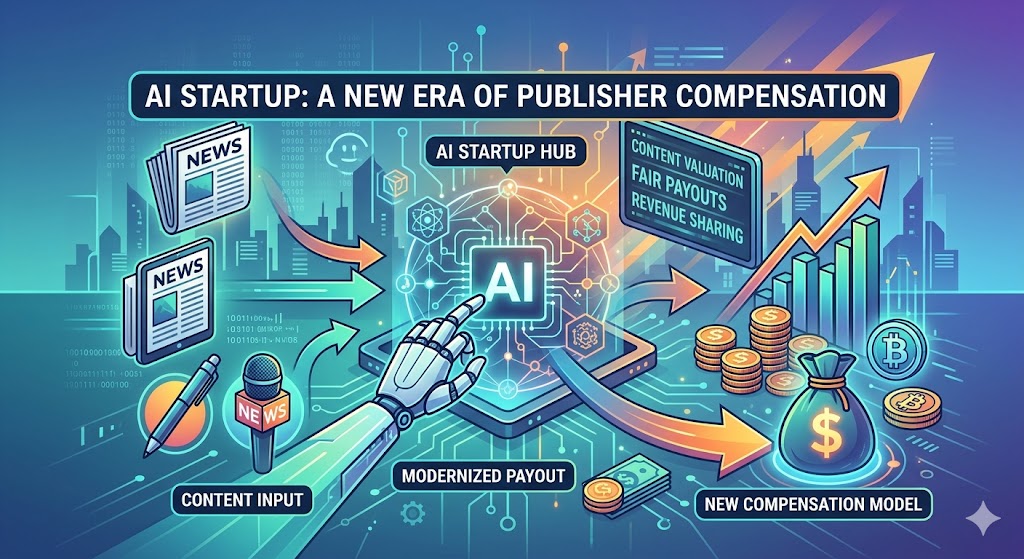
Agrawal's approach involves creating a framework where AI technologies will track and report the use of publisher content. Here’s a breakdown of how it might function:
- Content Identification: Using advanced algorithms, the AI agents identify the original source of the content they utilize.
- Usage Tracking: Each time an AI agent accesses or generates content based on a publisher's work, this usage is recorded.
- Compensation Mechanism: Publishers receive payments based on the frequency and nature of their content's use, ensuring they are rewarded fairly for their contributions.
Potential Benefits:
- Sustainable Revenue Streams: Publishers can develop new revenue streams based on AI interactions.
- Incentives for Quality Content: This model encourages publishers to produce high-quality content, knowing they will be compensated for its use.
- Transparency: A robust tracking system creates transparency around content usage, helping to build trust between AI companies and publishers.
Implications for the Publishing Industry
The introduction of a compensation model for publishers could have wide-reaching effects on the publishing landscape. Here are some potential implications:
Enhanced Collaboration
- AI and Publishers: By fostering a collaborative relationship between AI companies and publishers, both parties can benefit from shared interests. AI entities can thrive on quality content, while publishers gain financial backing for their creativity.
Shift in Business Models
- Subscription Models: Many publishers may pivot to subscription-based models that include AI usage rights, creating a more integrated approach to content distribution.
- Advertising Revenue: Publishers might find new ways to monetize their content through targeted advertising based on AI-generated insights about audience preferences.
Ethical Content Use
- Fair Use Redefined: As AI technologies evolve, the concept of fair use may change, necessitating updated guidelines and regulations to protect creators.
- Industry Standards: This initiative could pave the way for industry-wide standards on how AI companies compensate content creators, ensuring that ethical considerations are at the forefront of technological advancements.
Challenges Ahead
While Agrawal's startup presents a promising model, several challenges lie ahead:
- Implementation Complexity: Developing a robust system that accurately tracks content usage and automates compensation can be technically challenging.
- Resistance from AI Developers: Some AI companies may resist adopting this model due to potential increases in operational costs.
- Legal Hurdles: There may be legal challenges regarding copyright and intellectual property rights that need to be addressed as this model is implemented.
Comparison of Current Monetization Models vs. Agrawal’s Proposal
| Feature | Current Models | Agrawal’s AI Model |
|---|---|---|
| Content Ownership | Often disputed | Clearly defined compensation |
| Revenue Generation | Subscription/ad-based | Usage-based compensation |
| Transparency | Limited tracking | Comprehensive tracking |
| Benefit to Publishers | Varies widely | Direct and fair compensation |
| Ethical Standards | Often overlooked | Central to the model |
Practical Takeaways for Developers and Publishers
- Stay Informed: Keep up with developments in AI and content monetization to leverage new opportunities.
- Consider Collaboration: Explore potential partnerships with AI startups that align with your content strategy.
- Adapt Business Models: Be flexible in adapting your monetization strategies to include AI usage rights.
- Engage with Legal Frameworks: Understand the legal implications of using AI-generated content and how it affects your intellectual property rights.
FAQ
What is Parag Agrawal’s new AI startup about?
Agrawal’s startup aims to compensate publishers when AI agents utilize their content, creating a new revenue model for the publishing industry.
How will publishers be compensated?
Publishers will receive payments based on the frequency and nature of their content's use by AI agents, tracked through a robust system.
What are the benefits of this model?
The model aims to provide publishers with sustainable revenue streams, encourage high-quality content production, and enhance transparency in content usage.
What challenges might arise from this initiative?
Challenges may include technical complexities in implementation, potential resistance from AI developers, and legal hurdles regarding copyright.
How does this impact the future of digital publishing?
This initiative could redefine content monetization, promote collaboration between publishers and AI companies, and establish ethical standards for content use.
Bottom Line
Parag Agrawal's AI startup offers a forward-thinking approach to the monetization of content in an AI-driven world. By establishing a model that compensates publishers for their work, it not only addresses the pressing challenges faced by the publishing industry but also sets a precedent for ethical content usage in the AI landscape. For developers and publishers alike, staying informed and adaptable in this evolving environment will be crucial to harnessing the full potential of AI technologies.