Optimizing Workflows with AI Agents: Insights from Conductor's CEO
Discover how AI agents are reshaping workflow optimization strategies with insights from Conductor's CEO. Transform your startup's efficiency today.
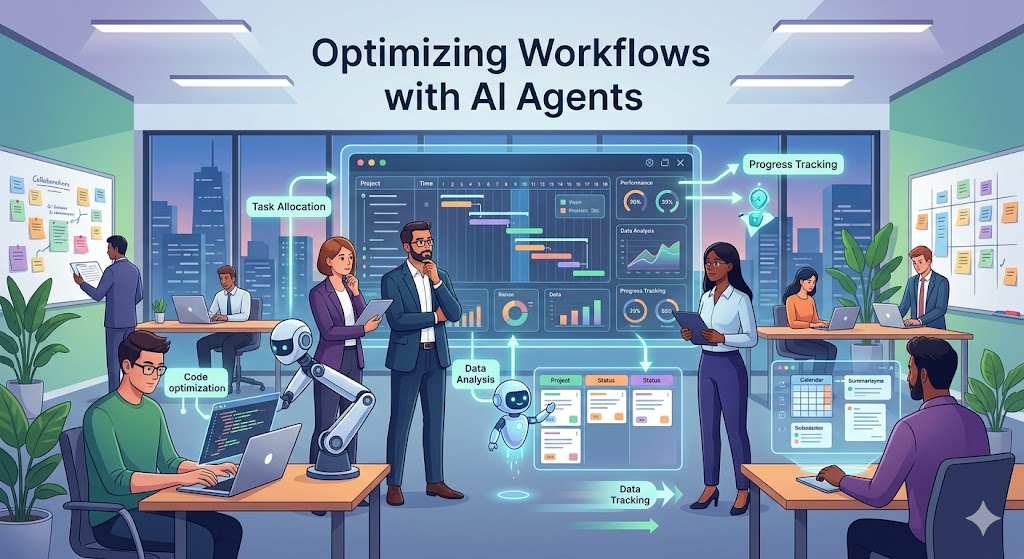
The Rise of AI Agents in Workflow Optimization
In today's fast-paced business environment, efficiency is paramount. The advent of AI technology has opened new avenues for startups and established companies alike to streamline processes and enhance productivity. At the forefront of this transformation is the role of AI agents, which are rapidly becoming integral to workflow optimization. The CEO of Conductor recently shared insights on how these intelligent systems can revolutionize business practices.
Understanding AI Agents
AI agents are software systems designed to perform tasks autonomously, learning from data and user interactions to improve their performance over time. Unlike traditional automation tools, AI agents can adapt to new challenges, making them particularly effective in dynamic environments. Here’s how they can enhance workflow:
- Task Automation: Automate repetitive tasks, freeing up human resources for more strategic activities.
- Decision Support: Analyze data to provide insights that inform critical business decisions.
- Personalization: Tailor user experiences based on behavior and preferences, enhancing customer satisfaction.
Insights from Conductor's CEO
During a recent discussion, the CEO of Conductor emphasized that the integration of AI agents is not merely a trend but a necessity for modern businesses. Here are some key takeaways:
1. Focus on User-Centric Design
AI agents should be designed with the end-user in mind. A deep understanding of user needs and behaviors can lead to more effective and engaging AI interactions. The CEO highlighted:
- User Feedback: Incorporating feedback loops can help refine AI behavior.
- Intuitive Interfaces: A user-friendly interface encourages adoption and maximizes efficiency.
2. Data-Driven Decision Making
The CEO pointed out that AI thrives on data. Organizations must prioritize data collection and analysis to enable their AI agents to function effectively. Key strategies include:
- Investing in Quality Data: Ensure data is accurate, relevant, and timely.
- Real-Time Analytics: Use real-time data to inform AI actions and predictions.
3. Improving Collaboration
AI agents are not designed to replace human workers but to augment their capabilities. The CEO stressed the importance of collaboration between AI and human teams:
- Augmented Intelligence: Use AI to assist rather than replace human judgment.
- Cross-Functional Teams: Foster collaboration across departments to leverage diverse expertise in AI deployments.
Practical Applications of AI Agents
To illustrate the potential of AI agents in workflow optimization, consider the following practical applications that startups can implement:
| Application | Description | Benefits |
|---|---|---|
| Customer Support | AI chatbots handle inquiries, freeing up human agents for complex cases. | Reduced response time, improved customer satisfaction. |
| Project Management | AI tools assist in scheduling and resource allocation. | Enhanced project efficiency and timely delivery. |
| Marketing Automation | AI analyzes customer data to personalize marketing campaigns. | Higher engagement rates and conversion. |
| Sales Forecasting | AI analyzes trends to predict sales outcomes. | Better inventory management and staffing decisions. |
Implementing AI Agents in Your Startup
For startup founders and mobile developers looking to integrate AI agents into their workflows, here are actionable steps:
- Identify Pain Points: Analyze your current workflow to identify repetitive or time-consuming tasks.
- Choose the Right Tools: Select AI tools that align with your specific needs and goals. ScreenMint, for example, can assist in automating app store visuals and metadata, streamlining your publishing process.
- Pilot Programs: Start with small pilot programs to measure effectiveness before full-scale implementation.
- Train Your Team: Ensure that your team is trained to work alongside AI agents, maximizing their potential.
- Iterate and Improve: Continuously monitor AI performance and user feedback to make necessary adjustments.
The Future of AI in Business Workflows
As AI technology continues to evolve, the role of AI agents in workflow optimization will only grow. The insights from Conductor's CEO highlight the importance of embracing these changes proactively. Companies that leverage AI effectively will not only improve their operational efficiency but also enhance their competitive edge in the market.
FAQ
Q1: What are AI agents?
A1: AI agents are software systems that perform tasks autonomously, learning from data and user interactions to improve over time.
Q2: How can startups benefit from AI agents?
A2: Startups can automate repetitive tasks, enhance decision-making, and personalize user experiences, leading to greater efficiency and customer satisfaction.
Q3: What should I consider when implementing AI agents?
A3: Focus on user-centric design, data quality, and fostering collaboration between AI and human teams for effective implementation.
Q4: Can AI agents replace human workers?
A4: No, AI agents are meant to augment human capabilities, not replace them. They assist in decision-making and task execution but rely on human insight for strategic initiatives.
Q5: What tools can help with AI integration?
A5: Various tools exist, such as ScreenMint for automating app store visuals and metadata, enhancing the publishing process for developers.
Bottom Line
AI agents are set to transform the way startups operate by optimizing workflows and enhancing productivity. As highlighted by the CEO of Conductor, the key to successful integration lies in understanding user needs, leveraging data effectively, and fostering collaboration between AI and human teams. By embracing these strategies, startups can position themselves for success in an increasingly competitive landscape.