OpenAI Strengthens Cyber Defenses Against Misinformation Ahead of Elections
As elections approach, OpenAI is implementing robust measures to counter misinformation and cyber threats. Explore the implications for tech and society.
Introduction
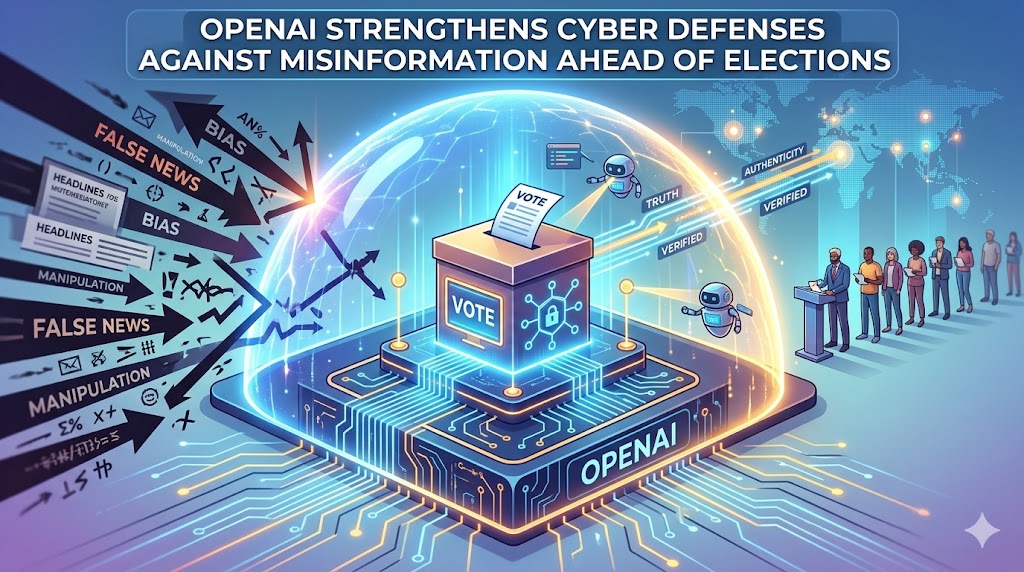
As the political landscape heats up with elections approaching, the potential for misinformation and cyber threats intensifies. OpenAI, a leader in AI technology, is proactively preparing to shield its platforms from these risks. This article delves into the measures OpenAI is implementing to fortify its defenses, the implications for the tech community, and how developers can stay informed and engaged.
The Growing Threat of Misinformation
Misinformation has become a pervasive issue, especially during election cycles. The rise of social media and digital communication has made it easier for false narratives to spread rapidly. OpenAI recognizes that their models can inadvertently contribute to this spread, which is why they are taking a stand ahead of the elections.
Key Concerns:
- Rapid Spread of False Information: Social media platforms can amplify misleading content, leading to public confusion and eroding trust in institutions.
- Manipulation of AI Outputs: Malicious actors might exploit AI systems to generate misleading content, posing ethical dilemmas for developers and stakeholders.
- Challenges in Detection: Identifying misinformation is complex, requiring advanced algorithms and human oversight.
OpenAI's Response Strategy
In response to these challenges, OpenAI is rolling out a comprehensive strategy that encompasses technology enhancements, community engagement, and ethical considerations. Here’s a closer look at their approach:
1. Enhanced Algorithmic Safeguards
OpenAI is refining its algorithms to improve the detection and filtering of misinformation. This includes:
- Improved Contextual Analysis: Enhancing the model's ability to understand context, thereby reducing the likelihood of generating or promoting false information.
- Dynamic Feedback Loops: Implementing systems that allow users to flag misinformation, which informs future model training.
2. Collaboration with Experts
Recognizing that AI alone cannot solve the misinformation crisis, OpenAI is collaborating with:
- Researchers and Academics: Engaging with experts in the fields of media studies, psychology, and data science to better understand the nuances of misinformation.
- Policy Makers: Working alongside governmental and non-governmental organizations to establish guidelines that govern the ethical use of AI in communications.
3. Public Awareness Initiatives
OpenAI is also committed to educating users about misinformation. This includes:
- Transparency Reports: Regular reports detailing the measures taken to combat misinformation and the effectiveness of these strategies.
- Workshops and Webinars: Hosting events that aim to educate users on identifying misinformation and responsibly consuming information online.
Implications for Developers and Founders
As developers and founders in the tech space, understanding OpenAI's initiatives can inform your own practices and strategies. Here are some practical takeaways:
- Adopt Ethical Guidelines: Consider the ethical implications of your work and strive to prevent the misuse of AI technologies.
- Engage with Community Feedback: Create avenues for users to provide feedback on your products, especially concerning misinformation.
- Stay Informed: Follow developments in AI ethics and misinformation strategies, as these fields are rapidly evolving.
Comparison Table: OpenAI’s Misinformation Defense Strategies
| Strategy | Description | Expected Outcome |
|---|---|---|
| Enhanced Algorithmic Safeguards | Improved contextual analysis and feedback loops | Reduced misinformation spread |
| Collaboration with Experts | Partnerships with researchers and policymakers | Informed ethical guidelines |
| Public Awareness Initiatives | Transparency reports and educational workshops | Increased user awareness and engagement |
FAQ
Q1: What specific technologies is OpenAI using to combat misinformation?
A1: OpenAI is enhancing its algorithms for better contextual understanding and implementing dynamic feedback systems to identify misinformation.
Q2: How can developers contribute to the fight against misinformation?
A2: Developers can adopt ethical guidelines, engage users for feedback, and create products that prioritize transparency and truthfulness.
Q3: What role do collaborations play in OpenAI’s strategy?
A3: Collaborations with experts and policymakers help OpenAI establish effective ethical standards and improve the effectiveness of their misinformation defenses.
Q4: How can users participate in OpenAI’s initiatives?
A4: Users can participate by providing feedback on misinformation, attending workshops, and engaging with OpenAI's transparency reports.
Q5: What are the broader implications of OpenAI’s efforts for the tech industry?
A5: OpenAI’s efforts set a precedent for responsible AI development, emphasizing the need for ethical practices and collaboration in combating misinformation.
Bottom Line
As we approach a critical election period, OpenAI's proactive measures against misinformation and cyber threats are crucial. These strategies not only protect their platforms but also set a standard for ethical AI practices across the tech industry. For developers and startup founders, staying informed and engaged with these initiatives is essential to foster responsible AI usage and contribute positively to the digital landscape.