Meta's Subscription Model: What It Means for Developers and Startups
Meta's launch of subscription services across Instagram, Facebook, and WhatsApp marks a significant shift. Here’s what it means for developers and startups.
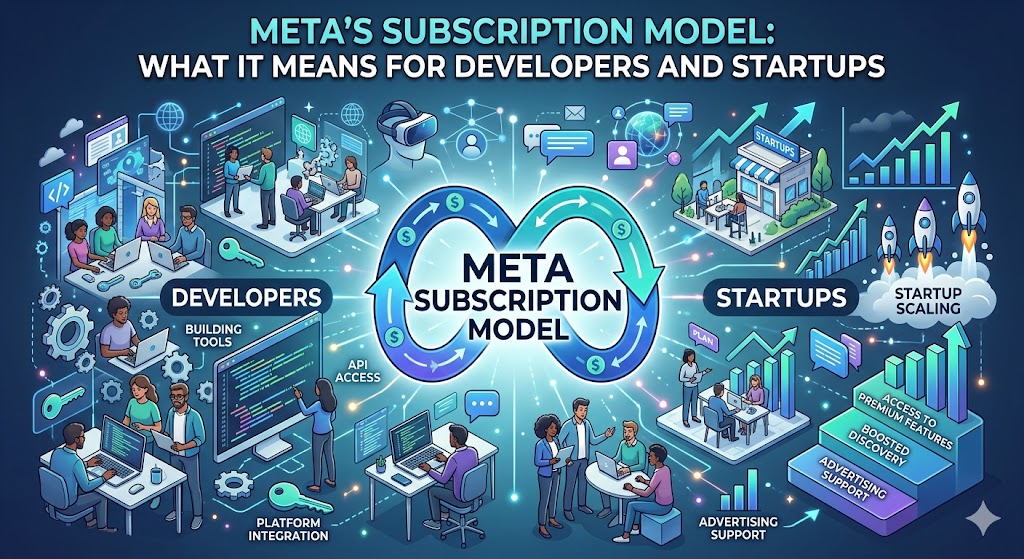
Introduction
In a bold move that signals a transformative shift in social media monetization, Meta has officially launched subscription services for its flagship platforms: Instagram, Facebook, and WhatsApp. This initiative, aimed at enhancing user engagement while providing creators and businesses with new revenue streams, raises several questions about its implications for developers, indie hackers, and startups.
The Subscription Model Breakdown
Meta's subscription model allows users to access premium features on these platforms, which may include enhanced visibility, exclusive content, or advanced analytics. Here’s a closer look at what’s on offer:
Key Features of Meta's Subscription Services
- Premium Content Access: Subscribers may receive exclusive posts, stories, or videos not available to non-subscribers.
- Enhanced Analytics: For businesses, detailed insights into audience engagement and performance metrics can help in refining marketing strategies.
- Improved Visibility: Subscribers might enjoy prioritized placement in feeds, increasing engagement rates.
- Ad-Free Experience: A subscription could potentially remove ads, providing a cleaner user experience.
Benefits for Creators and Businesses
The introduction of subscriptions can be particularly beneficial for content creators and businesses looking to monetize their presence on these platforms. Here are some benefits:
- Direct Revenue Stream: Unlike ad-based revenue models, subscriptions provide a steady income that can be more predictable.
- Loyal Community Building: Subscription services can foster a sense of community, as users are more likely to engage with content they are paying for.
- Advanced Tools: Access to specialized tools and features can enhance content creation and audience engagement.
Implications for Developers and Startups
While the benefits of the subscription model are evident from a creator's perspective, it's essential to consider how this impacts developers and startups. Here’s a deeper dive:
Opportunities for Integration and Development
The launch of subscription services opens new avenues for developers:
- API Integrations: Startups can create applications that integrate with Meta's subscription features, offering additional functionalities or analytics tools.
- Content Management Systems: Developers can build CMS solutions tailored for creators to manage their subscription content effectively.
- Marketing Automation Tools: Tools that optimize subscriber engagement through automated messaging or content recommendations can emerge as vital assets.
Challenges to Navigate
However, this transition isn't without its challenges:
- Increased Competition: With more creators vying for subscriber attention, standing out will require innovative strategies.
- Platform Dependency: Relying on third-party platforms for revenue can be risky; changes in policies or algorithms could significantly impact income.
- User Acquisition Costs: Attracting subscribers may necessitate higher marketing spends, which can strain startup budgets.
Comparative Analysis: Subscription vs. Ad Revenue
To illustrate the shift in monetization strategies, here’s a comparison of traditional ad revenue models versus subscription-based income:
| Aspect | Ad Revenue Model | Subscription Model |
|---|---|---|
| Revenue Predictability | Low | High |
| User Engagement | Variable | High |
| Dependency on Algorithms | High | Low |
| Community Building | Low | High |
| Cost of Acquisition | High | Moderate |
Practical Takeaways for Developers
As the subscription model becomes a staple in Meta's ecosystem, developers should consider the following strategies:
- Explore API Opportunities: Keep an eye on Meta's API documentation for potential integrations that enhance subscriber experiences.
- Develop Niche Solutions: Look for gaps in the market where tools can support content creators in managing their subscriptions.
- Focus on User Retention: Develop strategies to maintain subscriber interest and reduce churn, such as personalized content or exclusive events.
- Stay Agile: Be prepared to pivot your product offerings in response to changes in Meta’s policies or user preferences.
FAQ
What are the main features of Meta's new subscription services?
Meta’s subscription services offer premium content access, enhanced analytics, improved visibility, and potentially an ad-free experience.
How can developers benefit from Meta's subscription model?
Developers can create integrations, content management systems, and marketing automation tools tailored to support creators and businesses using the subscription services.
What challenges might startups face with this new model?
Startups may encounter increased competition for subscribers, dependency on platform policies, and potentially higher user acquisition costs.
Is the subscription model more sustainable than ad revenue?
Generally, subscription models provide a more predictable revenue stream and stronger user engagement compared to ad revenue models, which can be more volatile.
How can I prepare my app for this change?
Stay informed about Meta's API updates, consider developing features that cater to subscription services, and focus on building a community around your app to foster loyalty.
Bottom Line
Meta’s launch of subscription services across Instagram, Facebook, and WhatsApp is a pivotal moment for social media monetization. For developers and startups, this shift presents both challenges and opportunities. By embracing these changes and adapting to the evolving landscape, they can harness the power of subscription-based models to create sustainable revenue streams and deepen user engagement. As the digital economy continues to evolve, staying agile and innovative will be essential for success.