Harnessing Runtime: Sandboxed Coding Agents for Team Efficiency
Discover how Runtime, a Y Combinator startup, provides sandboxed coding agents that streamline development, enhance collaboration, and boost team productivity.
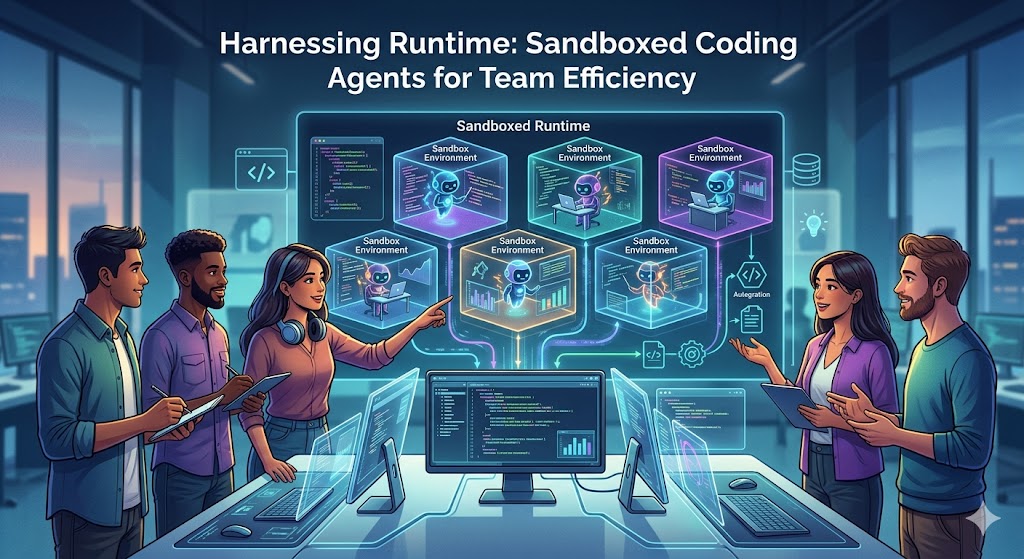
Introduction
In the fast-paced world of software development, efficiency and collaboration are more crucial than ever. Runtime, a Y Combinator-backed startup from the Product 26 batch, has emerged with a solution that addresses these needs head-on: sandboxed coding agents. These agents are designed to revolutionize how teams approach coding, making it simpler, safer, and more efficient.
What are Sandboxed Coding Agents?
At its core, a sandboxed coding agent is an isolated environment where developers can write, test, and execute code safely without affecting the broader system. This approach not only minimizes risks associated with coding but also facilitates collaboration among team members. The key characteristics of sandboxed coding agents include:
- Isolation: Each agent operates independently, ensuring that changes made in one environment do not impact others.
- Safety: By restricting access to the underlying system, these agents help prevent malicious code from causing damage.
- Flexibility: Developers can experiment freely without the fear of breaking existing functionalities.
With Runtime’s platform, teams can harness these benefits to enhance their coding practices significantly.
Why Runtime Stands Out
Runtime differentiates itself from other coding tools through its unique combination of features tailored for team dynamics:
1. Team Collaboration
- Shared Environments: Teams can set up shared coding agents that multiple members can access, making it easier to collaborate on projects.
- Real-Time Editing: Developers can see changes made by their teammates instantly, fostering a more collaborative workflow.
2. Simplified Onboarding
- Quick Setup: New team members can get up to speed quickly by accessing pre-configured coding agents tailored for specific projects.
- Documentation: Runtime offers comprehensive documentation and tutorials that help users utilize the platform effectively.
3. Robust Security Features
- Access Control: Fine-grained permission settings allow teams to manage who can view or edit code in each sandbox.
- Code Audit Trails: Each change can be tracked, providing transparency and accountability within the coding process.
4. Integration Capabilities
- Seamless Integration: Runtime easily integrates with existing tools that teams are already using, such as GitHub, Slack, and CI/CD pipelines.
- API Access: Developers can leverage APIs to automate workflows and enhance productivity further.
Comparison with Traditional Coding Environments
To illustrate the advantages of using Runtime’s sandboxed coding agents, let’s compare them to traditional coding environments:
| Feature | Traditional Coding Environments | Runtime Sandboxed Coding Agents |
|---|---|---|
| Isolation | Limited | Complete |
| Security | Moderate | High |
| Team Collaboration | Challenging | Seamless |
| Onboarding Speed | Slow | Fast |
| Flexibility | Limited | High |
| Integration | Moderate | Extensive |
Practical Use Cases
1. Educational Institutions
Runtime can be a game-changer for educational environments where students are encouraged to experiment with code. The sandboxed approach allows learners to explore without the fear of breaking critical systems or affecting their peers’ work.
2. Startups and Indie Developers
For startups and indie developers, where resources are often limited, Runtime provides a cost-effective way to streamline coding processes. With collaborative features, teams can innovate faster, enabling quicker iterations on product development.
3. Enterprise Development Teams
Large companies with substantial development teams benefit from the enhanced security and management features. The ability to control access and maintain audit trails ensures compliance and accountability, crucial for enterprise environments.
Getting Started with Runtime
If you're intrigued by the potential of Runtime's sandboxed coding agents, here's how to get started:
- Sign Up: Visit the Runtime website and create an account.
- Explore Documentation: Familiarize yourself with the platform through the comprehensive guides provided.
- Set Up Your First Agent: Follow the step-by-step instructions to create a sandboxed coding agent tailored to your project needs.
- Collaborate with Your Team: Invite team members to join and start coding collaboratively in real-time.
FAQ
Q1: What programming languages are supported by Runtime?
A1: Runtime supports a wide variety of programming languages, making it versatile for different development needs. Check their documentation for the latest updates on supported languages.
Q2: Is Runtime suitable for remote teams?
A2: Absolutely! Runtime is designed with remote collaboration in mind, enabling teams to work together seamlessly regardless of location.
Q3: How does Runtime ensure the security of my code?
A3: Runtime employs robust security measures, including isolated environments, access controls, and audit trails to keep your code safe from vulnerabilities.
Q4: Can I integrate Runtime with my existing tools?
A4: Yes, Runtime offers extensive integration capabilities with popular tools like GitHub, Slack, and various CI/CD platforms.
Q5: Is there a free trial available?
A5: Yes, Runtime offers a free trial period for new users to explore its features without commitment.
Bottom Line
Runtime's sandboxed coding agents represent a significant advancement in how teams can approach coding collaboratively and securely. By providing an environment that prioritizes isolation, safety, and collaboration, Runtime addresses many pain points developers face today. For indie hackers, startup founders, and mobile developers, adopting this approach can lead to enhanced productivity and innovation in your projects. If you're looking to streamline your coding process, consider exploring what Runtime has to offer.