Exploring the Innovations of Claude Opus 4.8 by Anthropic
Claude Opus 4.8 has arrived with a dynamic workflow tool, enhancing AI capabilities for developers. Learn how this impacts the tech landscape.
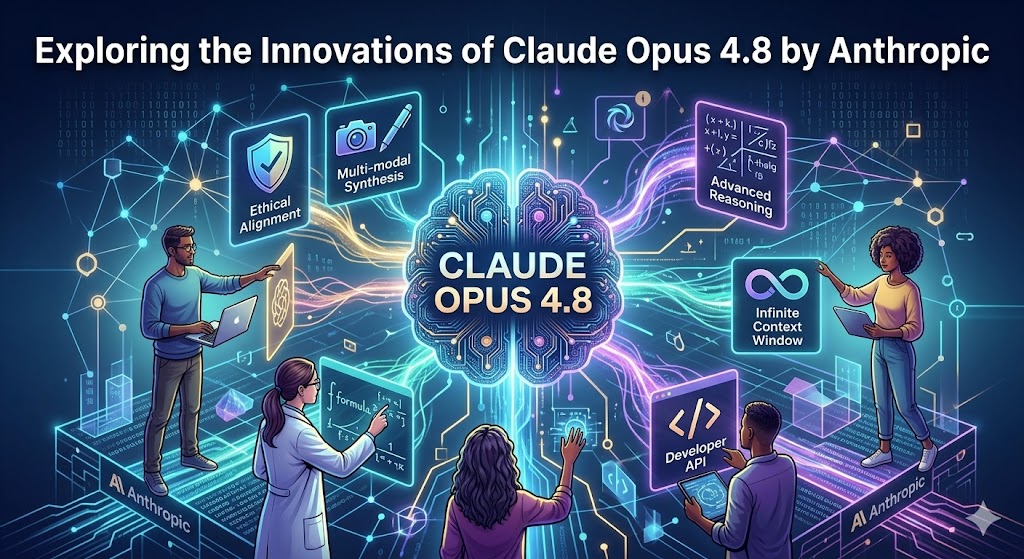
Introduction
In the fast-evolving landscape of artificial intelligence, staying ahead of the curve is essential for developers and tech startups. Anthropic, a leader in AI safety and research, has unveiled Claude Opus 4.8, an iteration that introduces a dynamic workflow tool designed to streamline AI integration into existing processes. This article explores the key features of Claude Opus 4.8 and its implications for developers.
What’s New in Claude Opus 4.8?
Claude Opus 4.8 brings several enhancements that are particularly relevant for developers looking to maximize their productivity. Notably, the introduction of the dynamic workflow tool stands out. Here’s a closer look at its main features:
Dynamic Workflow Tool
The dynamic workflow tool allows developers to create customizable workflows that adapt to specific project needs. This flexibility can potentially reduce development time and enhance collaboration within teams. Key capabilities include:
- Drag-and-drop functionality: Easily rearrange tasks and processes to suit project requirements.
- Real-time collaboration: Multiple users can work on the same project simultaneously, improving coordination.
- Integration with existing tools: Seamlessly connect with popular development environments and tools, such as GitHub, JIRA, and more.
Enhanced Performance Metrics
Claude Opus 4.8 also features upgraded performance metrics that provide developers with deeper insights into their AI models. This includes:
- Real-time analytics: Monitor AI performance dynamically to make informed adjustments.
- Custom reporting: Generate reports tailored to specific needs, enhancing data-driven decision-making.
Improved User Interface
The user interface has been revamped to enhance usability, with a focus on intuitive navigation. This includes:
- Simplified dashboard: Easily access all tools and features from a single point.
- Customizable views: Tailor the interface to match individual preferences, improving overall efficiency.
Implications for Developers and Startups
The enhancements in Claude Opus 4.8 present significant implications for developers and startups. Here are some practical takeaways:
Increased Efficiency
By leveraging the dynamic workflow tool, teams can streamline processes, reducing redundancies and focusing on high-impact tasks. This efficiency can lead to faster project completion, which is critical in competitive tech environments.
Enhanced Collaboration
The real-time collaboration feature can break down silos within development teams, allowing for more effective communication and idea sharing. This collaborative approach is essential for fostering innovation and rapid development cycles.
Better Insights
With improved performance metrics, developers can gain valuable insights into their AI models. This data can guide optimization efforts, ensuring that AI applications perform at their best, ultimately leading to better user experiences and outcomes.
Comparison with Previous Versions
| Feature | Claude Opus 4.8 | Claude Opus 4.7 |
|---|---|---|
| Dynamic Workflow Tool | Yes | No |
| Real-time Collaboration | Yes | Limited |
| Custom Reporting | Yes | Basic |
| Enhanced Performance Metrics | Yes | Basic |
| Improved User Interface | Yes | Minor Updates |
Getting Started with Claude Opus 4.8
To make the most of Claude Opus 4.8, developers should:
- Explore the Dynamic Workflow Tool: Familiarize yourself with its functionalities and how it can be integrated into your current projects.
- Utilize Real-time Analytics: Take advantage of the analytics capabilities to monitor and optimize your AI models continuously.
- Engage in Collaboration: Encourage your team to utilize the collaboration features to enhance communication and productivity.
FAQ
What is Claude Opus 4.8?
Claude Opus 4.8 is the latest version of Anthropic's AI tool, featuring a dynamic workflow tool and enhanced performance metrics designed for developers.
How does the dynamic workflow tool work?
The dynamic workflow tool allows users to create customizable workflows that can adapt to project needs, facilitating easier task management and collaboration.
Can I integrate Claude Opus 4.8 with existing tools?
Yes, Claude Opus 4.8 is designed to integrate seamlessly with popular development tools like GitHub and JIRA, enhancing your workflow.
What are the benefits of using Claude Opus 4.8 for startups?
Startups can benefit from increased efficiency, improved collaboration, and better insights into their AI models, which can help them deliver products faster and with higher quality.
Is there a learning curve for new users?
While there may be an initial learning curve, the improved user interface and available resources make it easier for new users to adapt quickly.
Bottom Line
Claude Opus 4.8 represents a significant step forward in AI tools for developers. With its dynamic workflow tool and enhanced performance metrics, it not only streamlines development processes but also fosters collaboration and data-driven decision-making. For indie hackers and startup founders, leveraging these capabilities can lead to more efficient project management and ultimately, a competitive edge in the tech landscape. As AI continues to evolve, staying informed about such innovations is crucial for success.