Elon Musk's Legal Battle with OpenAI: What It Means for AI Development
Elon Musk's recent lawsuit against OpenAI has raised questions about the future of AI development and the responsibilities of tech founders.
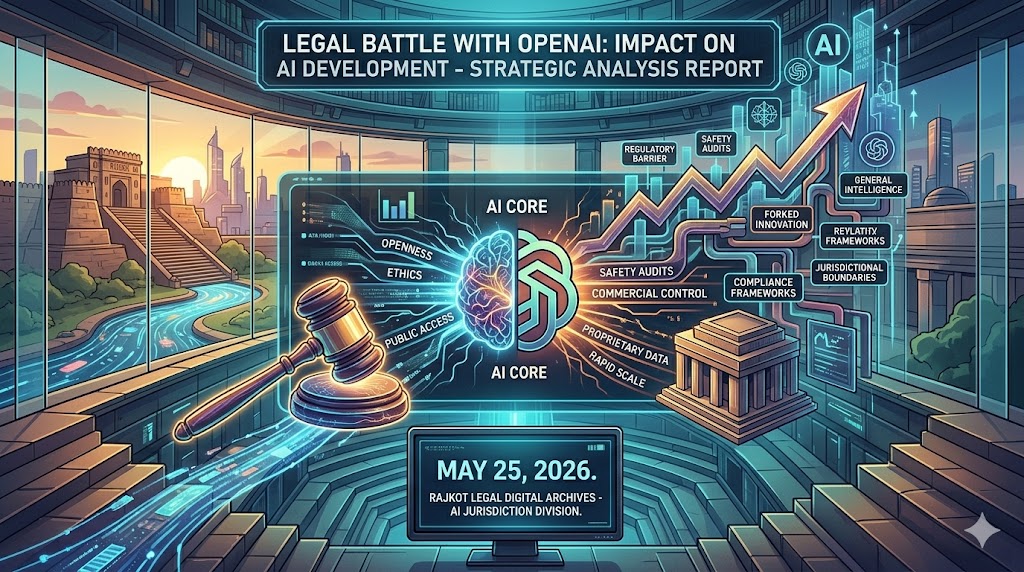
Understanding the Lawsuit
Elon Musk, the billionaire entrepreneur known for his ventures in electric vehicles, space exploration, and philanthropy, recently faced a significant legal defeat against OpenAI, the artificial intelligence research lab he co-founded. The lawsuit centered around claims that OpenAI had deviated from its original mission and principles, leading Musk to seek legal redress.
This article explores the background of the lawsuit, the implications of the court's decision, and what it means for the future of AI development.
Background: Musk and OpenAI
Founded in December 2015, OpenAI was established with the mission of ensuring that artificial general intelligence (AGI) benefits all of humanity. Musk, alongside other prominent figures, aimed to promote and develop friendly AI, thereby preventing any potential existential risks associated with unchecked AI advancements.
However, Musk has been openly critical of AI's rapid development in recent years. He has voiced concerns about the potential for AI to become uncontrollable, fearing that without proper oversight, AI could pose significant risks to society. His concerns led to a range of actions, including stepping down from OpenAI’s board in 2018 to avoid any conflicts of interest with his other business ventures.
Key Points of the Lawsuit
Musk's lawsuit against OpenAI raised several pivotal points, including:
- Mission Drift: Musk accused OpenAI of straying from its foundational mission, alleging that it prioritized profit over safety and ethical considerations in AI development.
- Transparency Issues: He argued that OpenAI had become less transparent about its operations and research, raising concerns about the implications of its technological advancements.
- Competitive Practices: Musk expressed worries about OpenAI's competitive practices, particularly as it sought partnerships and funding from various tech giants, which he viewed as a deviation from its original ethos.
Court's Decision
The court ruled against Musk, finding that his claims lacked sufficient evidence to warrant a legal remedy. The ruling emphasized that OpenAI's evolution as a company does not inherently violate its initial mission. The decision has sparked discussions about the legal frameworks surrounding AI companies and the responsibilities of their founders.
Implications for AI Development
Musk’s legal loss raises several important considerations for the broader tech community, particularly regarding AI development:
- Shifting Responsibilities of Founders: As AI technology continues to evolve, founders must grapple with the ethical and operational responsibilities of their companies. This case underscores the need for clear guidelines on how AI companies should operate, balancing innovation with ethical considerations.
- Transparency and Trust: The ruling brings to light the importance of transparency within the AI sector. As companies like OpenAI advance their technologies, maintaining public trust will be crucial. Founders should prioritize clear communication about their missions and practices.
- Future of AI Regulation: The legal landscape surrounding AI is still developing. This case may influence future legislation regarding AI companies, especially concerning their accountability in the face of rapid technological advancements.
A Comparison of Perspectives
To better understand the differing viewpoints on Musk's lawsuit, consider the following table:
| Perspective | Musk's View | OpenAI's Position |
|---|---|---|
| Mission Commitment | Accused of drifting from ethical principles | Claims to still adhere to its foundational mission |
| Transparency | Advocated for more open practices | Argues that operational changes are necessary for growth |
| AI Safety | Emphasizes the need for stringent safeguards | Focuses on responsible innovation and development |
Practical Takeaways for Developers and Founders
The outcome of Musk's lawsuit against OpenAI serves as a reminder for developers, startup founders, and indie hackers:
- Define Your Mission Clearly: Establish a clear mission statement and adhere to it, ensuring that your actions align with your ethical commitments.
- Prioritize Transparency: Engage with your audience and stakeholders openly about your processes and decisions, fostering trust and accountability.
- Stay Informed on Regulations: Keep abreast of legal developments surrounding AI and tech companies, as regulations may evolve rapidly in response to public concerns.
- Emphasize Ethical AI: Incorporate ethical considerations into your development processes, promoting responsible innovation that prioritizes societal benefits.
FAQ
Q1: What was the main claim in Musk's lawsuit against OpenAI?
A1: Musk claimed that OpenAI had deviated from its initial mission of promoting safe and ethical AI development, prioritizing profit instead.
Q2: What did the court rule regarding Musk's claims?
A2: The court ruled against Musk, stating that his claims lacked sufficient evidence and that OpenAI had not violated its foundational mission.
Q3: How does this case impact the future of AI regulation?
A3: The ruling may influence future legislation regarding AI companies, particularly concerning their accountability and operational transparency.
Q4: What lessons can founders learn from this legal battle?
A4: Founders should define their mission clearly, prioritize transparency, and incorporate ethical considerations into their development processes to foster trust and responsibility.
Q5: How can companies maintain public trust in their AI practices?
A5: Companies can maintain public trust by being transparent about their operations, engaging with stakeholders, and demonstrating a commitment to ethical practices in AI development.
Bottom Line
Elon Musk's legal defeat against OpenAI highlights critical issues surrounding the responsibilities of tech founders and the ethical implications of AI development. As AI technology continues to evolve, it’s essential for developers and startup founders to remain vigilant in their mission, prioritize transparency, and integrate ethical practices into their innovation processes. This case serves as a pivotal moment for the tech industry, reminding us all of the balance needed between innovation and responsibility.