Apple Opens iMessage to AI Agents: What It Means for Developers
Apple's recent move to allow AI agents in iMessage opens new avenues for developers. Explore the implications, potential use cases, and strategies in this evolving landscape.
Introduction
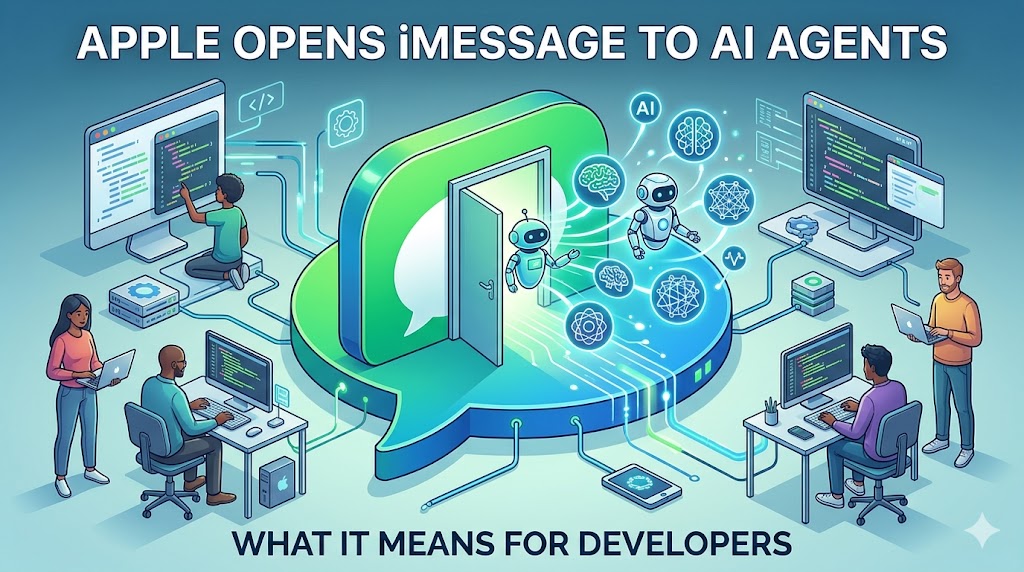
Apple's recent announcement regarding the integration of AI agents into iMessage has stirred excitement within the developer community. This move not only opens up new avenues for innovation but also poses unique challenges. For indie hackers and startup founders, understanding this shift is crucial for leveraging the potential benefits.
The Landscape of AI in Messaging
Why AI Agents Matter
AI agents can enhance user experiences by providing personalized interactions, automating responses, and streamlining processes. Here are some potential benefits:
- Personalization: Tailors interactions based on user preferences.
- Efficiency: Automates routine tasks, saving time for users.
- Engagement: Keeps users engaged with timely and relevant information.
Apple's Unique Position
Apple's decision to allow AI agents in iMessage is particularly noteworthy, given the platform's closed environment and focus on privacy. Unlike other messaging platforms that have embraced bots and AI more freely, Apple has traditionally taken a cautious approach. This makes the current development a rare opportunity for developers looking to create impactful applications.
Potential Use Cases for iMessage AI Agents
With Apple opening this lane, several use cases emerge:
1. Customer Support
AI agents can provide instant responses to customer inquiries, facilitating smoother communication and quicker problem resolution. This is particularly beneficial for startups with limited resources.
2. Personal Scheduling
Imagine an AI that helps users schedule meetings directly within iMessage, integrating seamlessly with their calendars. This could eliminate back-and-forth emails or texts.
3. E-commerce Integration
Brands can deploy AI agents to assist customers in finding products, offering recommendations, and even completing transactions—all within the iMessage interface.
Implementation Strategies for Developers
Understanding the iMessage Ecosystem
To effectively integrate AI agents into iMessage, developers must first grasp its ecosystem:
- APIs and Frameworks: Familiarize yourself with Apple’s frameworks and APIs for messaging.
- User Experience: Prioritize a smooth user experience that aligns with Apple's design philosophy.
Building Your AI Agent
When creating an AI agent for iMessage, consider these steps:
- Define Purpose: Clearly outline what problems your AI agent solves.
- Select Technology: Choose the appropriate AI technology stack—natural language processing (NLP) tools, machine learning frameworks, etc.
- Design for Privacy: Ensure your AI adheres to Apple’s privacy guidelines, as user trust is paramount.
- Test Rigorously: Conduct extensive testing to ensure reliability and accuracy in responses.
Example: ScreenMint's Automated Solutions
Using tools like ScreenMint, developers can streamline the process of generating marketing assets for their iMessage AI agents, ensuring their applications are visually appealing and ready for launch. ScreenMint automates ASO metadata and provides assets to help indie developers focus on what truly matters—building great features.
Challenges Ahead
Despite the possibilities, several challenges may arise:
- Privacy Concerns: Users may be hesitant to interact with AI due to privacy fears.
- Complexity of Integration: Navigating Apple's ecosystem can be daunting, especially for smaller teams.
- User Acceptance: Convincing users to adopt AI in their daily communication might require careful user education.
FAQ
What types of AI agents can be developed for iMessage?
Any AI agent that enhances user experience, such as customer support bots, scheduling assistants, or shopping aids.
How can I ensure privacy with my iMessage AI agent?
Adhere to Apple's privacy guidelines, limit data collection, and provide transparency in how user data is utilized.
What technologies should I consider for building an AI agent?
Look into natural language processing (NLP) tools, machine learning frameworks, and APIs that integrate with Apple's ecosystem.
Is it costly to develop an AI agent for iMessage?
Costs vary based on complexity, but leveraging existing tools and platforms can significantly reduce development time and expenses.
How can I measure the success of my AI agent?
Track user engagement metrics, satisfaction ratings, and the efficiency of responses to gauge effectiveness.
Bottom Line
Apple's decision to open iMessage to AI agents is a pivotal moment for developers. This new frontier invites innovative thinking and creative solutions that can redefine user interactions. By understanding the potential use cases and challenges, and leveraging tools like ScreenMint for efficient asset generation, developers can position themselves at the forefront of this evolving landscape. As you consider your next move, remember: the key to success lies in creating AI agents that genuinely enhance user experiences while maintaining trust and privacy.