The Rise of AI Washing: When Companies Rebrand as Tech Innovators
As companies scramble to rebrand themselves as tech innovators, AI washing raises questions about authenticity in the tech landscape. This article delves into the trend and its implications for developers and startups.
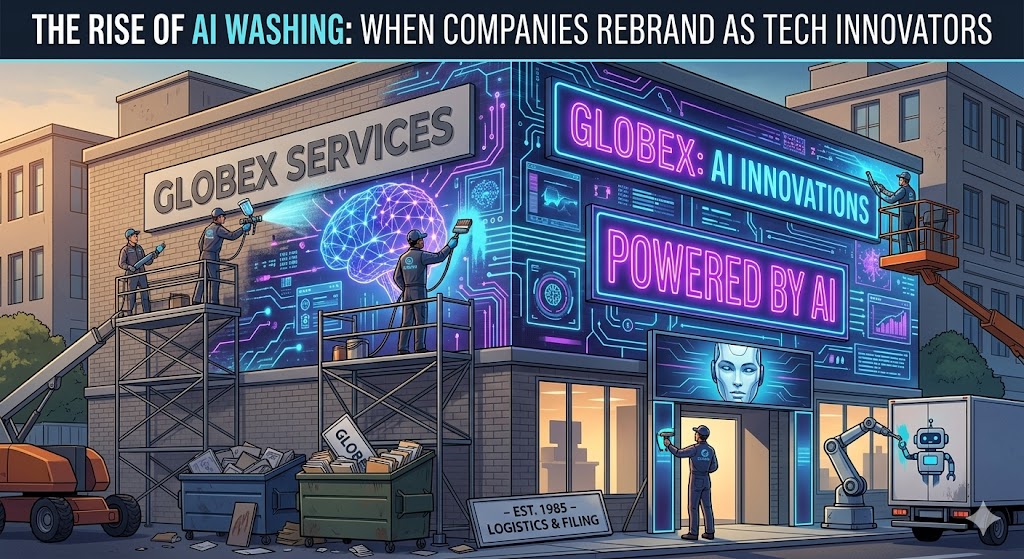
Understanding AI Washing
In today's rapidly evolving technological landscape, the term "AI washing" is gaining traction. As companies rush to embrace artificial intelligence (AI) and present themselves as tech-forward entities, the authenticity of their claims is often called into question. This phenomenon mirrors the earlier stages of the internet boom, where businesses scrambled to incorporate ".com" into their names to attract investment and consumer interest.
What is AI Washing?
AI washing refers to the marketing tactic employed by companies to rebrand themselves as AI-focused, even if their actual use of AI technologies is minimal or non-existent. This trend is not just a superficial branding exercise; it reflects a broader shift in how companies perceive their value and competitive advantage in an increasingly digital economy.
The Drivers Behind AI Washing
Several factors contribute to the rise of AI washing:
- Investor Pressure: Startups and established firms alike feel pressure to showcase their technological capabilities to attract venture capital. The allure of AI as a transformative force in business is hard to ignore.
- Market Demand: Consumers are increasingly drawn to products and services that leverage AI, leading companies to rebrand to meet this expectation.
- Competition: As more companies adopt AI technologies, the fear of being left behind prompts others to claim ownership of the narrative around innovation.
The Implications of AI Washing
While rebranding can bring short-term benefits, such as increased visibility and interest, the long-term consequences of AI washing can be detrimental:
- Erosion of Trust: When companies overstate their AI capabilities, they risk eroding customer trust. If consumers feel misled, they may turn to competitors who demonstrate true innovation and transparency.
- Dilution of True Innovation: Genuine innovators may struggle to stand out amidst the noise created by companies engaging in AI washing. This dilution can stifle real technological advancements and lead to a lack of accountability in the industry.
- Regulatory Scrutiny: As regulatory bodies become more vigilant about misleading marketing practices, companies engaging in AI washing may face legal repercussions and reputational damage.
Navigating the AI Landscape as a Startup Founder
For indie hackers and startup founders, understanding the implications of AI washing is crucial. Here are some practical takeaways:
- Stay Authentic: Ensure that your technology claims are grounded in reality. Authenticity builds trust, which is essential for long-term success.
- Focus on Value: Highlight the real-world applications and benefits of your AI technology rather than relying solely on buzzwords.
- Educate Your Audience: Help potential customers understand how your product uses AI and why it matters. Transparency can set you apart from competitors who might be engaging in AI washing.
The Role of AI in Business: What’s Real?
To differentiate between genuine AI innovation and AI washing, consider the following:
| Aspect | Genuine AI Innovation | AI Washing |
|---|---|---|
| Implementation | Real integration of AI technologies | Minimal or no real AI usage |
| Transparency | Clear explanation of AI application | Vague claims without specifics |
| Impact | Tangible benefits to users | Limited or no meaningful outcomes |
| Continuous Improvement | Ongoing development of AI capabilities | Static offerings with no evolution |
Conclusion
As the tech landscape continues to evolve, AI washing poses significant challenges for companies, especially in the startup ecosystem. While rebranding can provide a marketing boost, it is essential for businesses to remain authentic and transparent about their technological capabilities. For developers and startup founders, the focus should be on delivering genuine value through innovation rather than succumbing to the pressures of AI washing. By doing so, they can build lasting trust with their audience and contribute to a more honest and innovative tech landscape.
FAQ
Q1: How can I ensure my startup is not engaging in AI washing?
A1: Focus on real applications of AI in your product and be transparent about its capabilities. Avoid using AI as a buzzword without substance.
Q2: What are the risks of AI washing for established companies?
A2: Established companies risk losing customer trust and facing regulatory scrutiny if they exaggerate their AI capabilities.
Q3: How can I differentiate my startup in an AI-driven market?
A3: Highlight the unique benefits and real-world applications of your AI technology, and maintain transparency with your audience.
Q4: Are there any examples of successful companies that authentically use AI?
A4: Companies like Google and Amazon have successfully integrated AI into their services, demonstrating clear benefits and transparency in their offerings.
Q5: What should I do if I suspect a competitor is engaging in AI washing?
A5: Focus on your own authenticity and transparency, and use it as an opportunity to educate your audience about the real value of your offerings.