AI Chatbot Privacy Ratings: What You Need to Know
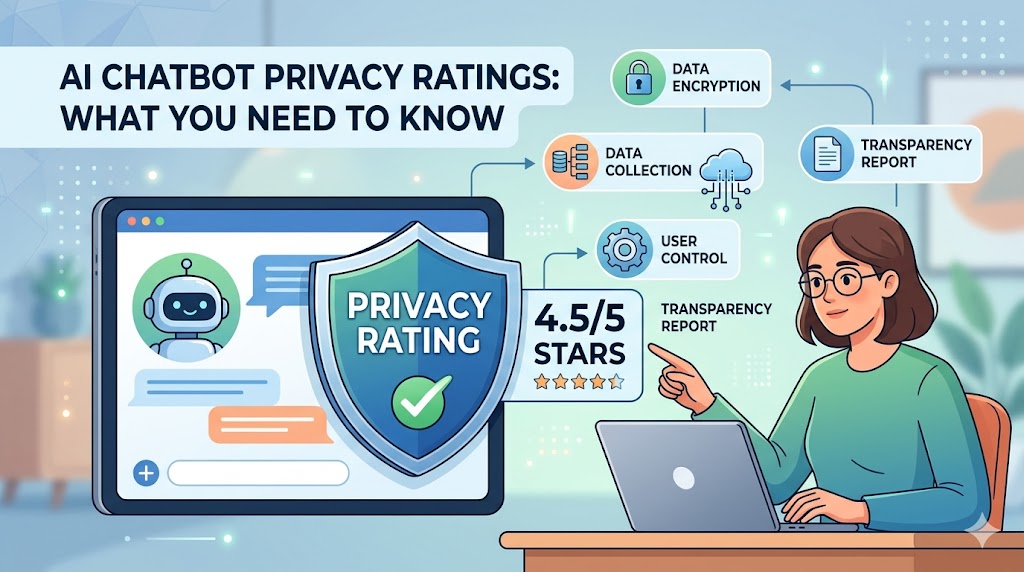
As AI chatbots gain popularity, understanding their privacy ratings is crucial. This article delves into the privacy standards of leading iPhone apps.
Introduction
The rise of AI chatbots in mobile applications has transformed the way users interact with technology. From customer support to personal assistants, these chatbots promise convenience and efficiency. However, as their popularity grows, so do concerns about privacy. Understanding the privacy ratings of AI chatbots in iPhone apps is essential for users who prioritize data security.
Why Privacy Ratings Matter
Privacy ratings serve as a quick reference guide for users to gauge how their data is handled. With increasing regulations and consumer awareness, these ratings can significantly influence app downloads and user trust. Key reasons why privacy ratings are crucial include:
- Informed Choices: Users can make educated decisions when downloading apps based on privacy practices.
- Trust Building: Transparent privacy ratings foster trust in app developers.
- Regulatory Compliance: Apps that meet high privacy standards are more likely to comply with regulations like GDPR or CCPA.
Overview of AI Chatbot Privacy Ratings
Several entities are working to establish privacy ratings for apps, focusing on how user data is collected, stored, and shared. Most ratings consider:
- Data Collection Practices: How much data is collected and for what purposes.
- User Consent: Whether apps obtain explicit user consent for data usage.
- Data Sharing: Whether the app shares data with third parties and under what conditions.
- Security Measures: The security protocols in place to protect user data.
Privacy Ratings of Popular iPhone Apps
Here’s a comparative overview of privacy ratings for some of the most popular AI chatbot-enabled iPhone apps:
| App Name | Privacy Rating | Data Collection | User Consent Required | Third-Party Sharing | Security Measures |
|---|---|---|---|---|---|
| ChatGPT | A- | Minimal | Yes | No | End-to-end encryption |
| Siri | B+ | Moderate | Yes | Yes | Encryption at rest |
| Google Assistant | B | Extensive | Yes | Yes | SSL/TLS encryption |
| Replika | C+ | Moderate | Yes | Yes | Standard encryption |
Detailed Analysis
ChatGPT
ChatGPT, known for its conversational capabilities, has a strong privacy rating of A-. It collects minimal data and requires explicit user consent, ensuring that user privacy is a priority. The app does not share data with third parties, further enhancing user trust. With end-to-end encryption, users can feel secure while interacting with the chatbot.
Siri
Apple's Siri scores a B+ in privacy ratings. While it collects a moderate amount of data, it is transparent about its practices, requiring user consent for data collection. However, it shares some data with third parties to enhance its functionalities, which may be a concern for privacy-conscious users. Security measures include encryption at rest, safeguarding user data.
Google Assistant
With a B privacy rating, Google Assistant collects extensive data to provide personalized experiences. Although it requires user consent, it shares data with third parties, which can raise red flags for privacy advocates. The app employs SSL/TLS encryption, but users should remain cautious about how their data is utilized.
Replika
Replika, a social AI chatbot, has a lower privacy rating of C+. While it collects a moderate amount of data and requires user consent, it also shares data with third parties, which may be alarming for users prioritizing privacy. Despite having standard encryption measures, the app’s data-sharing practices could deter some users.
Implications for Developers and Users
For developers, understanding privacy ratings is essential not just for compliance with regulations but for building user trust. Prioritizing user privacy can lead to better user engagement and retention. Here are some actionable steps:
- Review Data Collection Practices: Ensure your app collects only necessary data and is transparent about usage.
- Obtain Explicit Consent: Make it easy for users to understand what they are consenting to.
- Strengthen Security Measures: Invest in robust security protocols to protect user data.
For users, being informed about privacy ratings can lead to safer choices in app downloads. Users should:
- Evaluate Privacy Ratings: Before downloading, check the privacy ratings of apps, especially those with AI chatbots.
- Read Terms and Conditions: While often overlooked, these documents can reveal much about data practices.
- Opt for Apps with High Ratings: Choose apps that prioritize user data protection to ensure a more secure experience.
FAQ
Q1: How are privacy ratings determined for AI chatbots?
A1: Privacy ratings are typically determined by evaluating data collection practices, user consent requirements, third-party sharing policies, and security measures in place for user data.
Q2: Why should I care about privacy ratings for apps?
A2: Privacy ratings help you make informed decisions about which apps to download, ensuring that your data is handled securely and ethically.
Q3: Can I trust all apps with high privacy ratings?
A3: While high privacy ratings indicate better data practices, it’s essential to remain vigilant and review terms and conditions for complete transparency.
Q4: What should developers focus on to improve their app's privacy rating?
A4: Developers should focus on limiting data collection, obtaining explicit user consent, enhancing security measures, and being transparent about data usage.
Q5: Are privacy ratings the same across different platforms?
A5: Privacy ratings can vary across platforms. It’s important to review ratings specific to each app and its respective platform for accurate assessments.
Bottom Line
As AI chatbots continue to integrate into our daily lives, understanding their privacy implications is more important than ever. For both users and developers, privacy ratings serve as a crucial tool for making informed choices. By prioritizing transparency and data security, developers can build trust, while users can navigate the app landscape more securely. With the right knowledge, we can harness the benefits of AI chatbots without compromising our privacy.