Is AI's Business Model on Shaky Ground? Insights from Sridhar Vembu
Sridhar Vembu raises concerns over the sustainability of AI business models, emphasizing potential risks in current investment strategies. Should developers be worried?
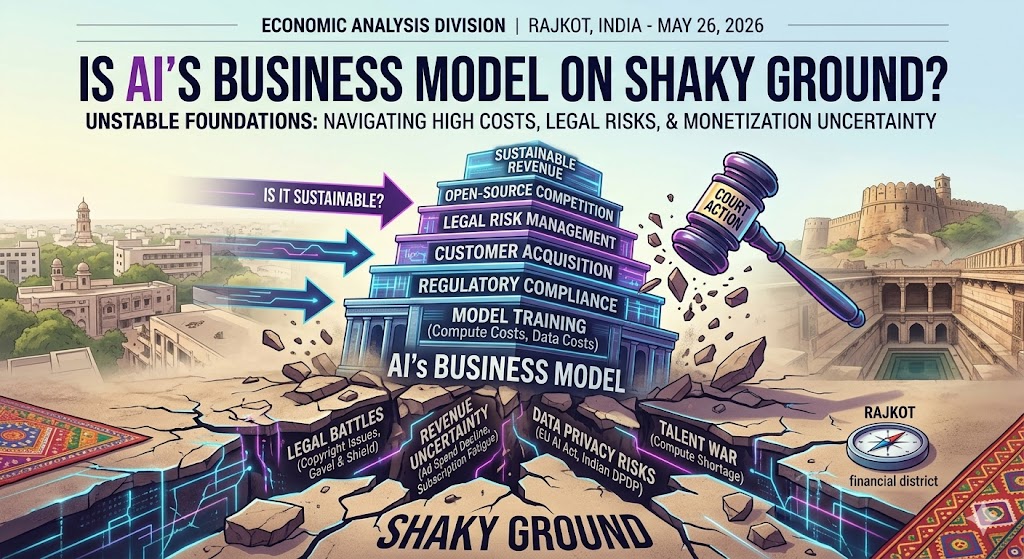
The AI Landscape: A Double-Edged Sword
Artificial Intelligence has undoubtedly emerged as one of the most transformative technologies of our time. From automating mundane tasks to enabling complex decision-making, AI's applications seem limitless. However, as the tech industry rushes to capitalize on this advancement, questions arise about the sustainability of the business models that underpin this growth.
Sridhar Vembu, the founder of Zoho, has recently voiced concerns about a potential AI investment bubble, drawing attention to what he terms the "Round Trip Revenue Loss." This concept warrants a deeper examination, particularly for indie hackers, startup founders, and mobile developers who stand to benefit from AI's promise but may be vulnerable to its pitfalls.
Understanding the Round Trip Revenue Loss
The term "Round Trip Revenue Loss" suggests a scenario where a business generates revenue from AI-related activities but fails to sustain that revenue over time. This can occur for various reasons:
- High Customer Acquisition Costs (CAC): If acquiring customers becomes too expensive, businesses may struggle to retain them, leading to a loss of revenue.
- Market Saturation: As more players enter the AI space, differentiation becomes challenging, and the value proposition may diminish.
- Technological Obsolescence: Rapid advancements in AI could render existing solutions outdated, forcing companies to constantly innovate at high costs.
This cycle can create a false sense of security, where businesses appear profitable initially but face long-term challenges that threaten their viability.
The Risks of Overvaluation in AI Startups
Investment in AI has surged, with venture capital flowing into startups promising innovative solutions. However, the exuberance surrounding AI might lead to inflated valuations. Here are some critical aspects to consider:
- Hype vs. Reality: The rush to invest can result in companies being overvalued based on potential rather than actual performance.
- Sustainability Issues: Many startups may not have a clear path to profitability, relying instead on continuous funding rounds to sustain operations.
- Disruption Fatigue: As the market becomes saturated, investors may grow weary of new entrants that fail to deliver significant differentiation.
Navigating the AI Investment Landscape
For developers and startup founders, understanding these dynamics is crucial. Here are some practical takeaways to consider:
- Focus on Value Creation: Rather than jumping onto the latest AI trend, prioritize solving real problems that add value to customers. This approach can enhance retention and customer loyalty.
- Evaluate Business Models: Ensure that your business model accounts for long-term sustainability. Consider not just how to acquire customers but also how to retain them profitably.
- Invest in Continuous Learning: The AI landscape is ever-evolving. Stay updated on the latest advancements and be prepared to pivot your strategies accordingly.
- Assess Market Positioning: Understand where your solution fits in the market and how it differentiates from competitors. A unique value proposition can mitigate risks associated with market saturation.
- Be Cautious with Funding: While securing investment is important, be wary of overvaluing your company based on hype. Focus on building a solid foundation for growth.
The Future of AI: Cautious Optimism
As we look to the future of AI, it is critical to balance enthusiasm with caution. The technology presents vast opportunities, but the underlying business models must be robust to ensure long-term success. Vembu's warning about the potential AI investment bubble serves as a reminder for all players in the ecosystem, from developers to investors, to remain vigilant.
By understanding the risks associated with inflated valuations and the pitfalls of the Round Trip Revenue Loss, stakeholders can better navigate the complexities of the AI landscape.
FAQ
Q: What is the Round Trip Revenue Loss?
A: It refers to the potential scenario where a business generates initial revenue from AI but struggles to maintain that revenue over time due to high costs or market saturation.
Q: How can startups ensure sustainable growth in AI?
A: Startups should focus on creating real value for their customers, evaluate their business model for long-term viability, and continuously adapt to market changes.
Q: What are the main risks of investing in AI startups?
A: The main risks include overvaluation, high customer acquisition costs, and the rapid pace of technological change leading to obsolescence.
Q: How can developers stay updated in the AI field?
A: Developers should engage in continuous learning through online courses, industry conferences, and staying connected with the AI community.
Q: Is it wise to invest heavily in AI startups right now?
A: While the potential for growth is significant, investors should proceed with caution, focusing on sustainable business practices rather than hype-driven valuations.
Bottom Line
The AI revolution has the potential to reshape industries and create unprecedented opportunities. However, as Sridhar Vembu warns, the business models driving this growth may not be as stable as they appear. For indie hackers, startup founders, and mobile developers, it is essential to approach AI investments with a discerning eye, ensuring that the foundations are solid enough to weather the challenges ahead. By prioritizing sustainability, customer value, and market differentiation, businesses can thrive in this promising yet precarious landscape.