The Hidden Risks of Age Verification Technology for Children
A recent think tank warns that age verification technology may heighten risks for children online. Dive into the implications and need for safer solutions.
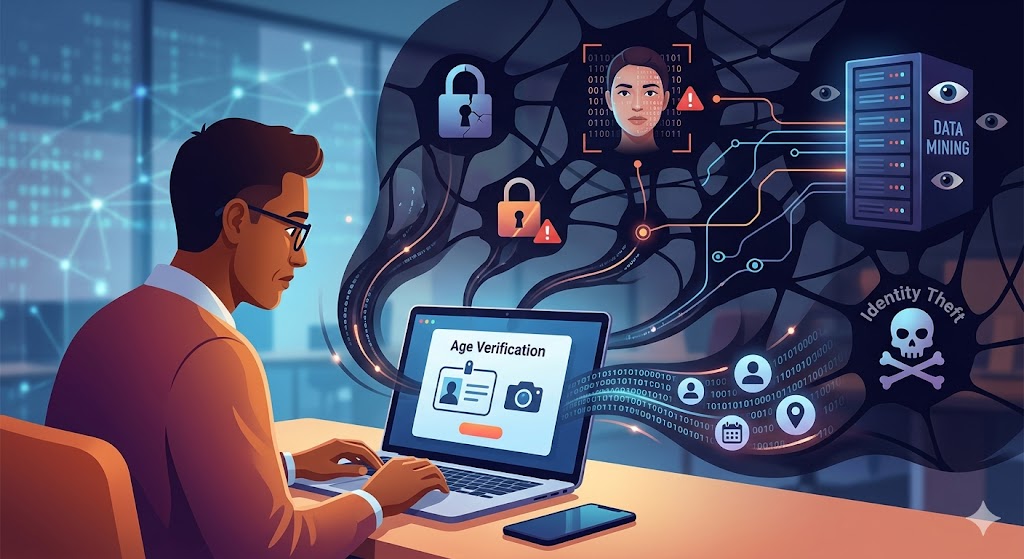
The Promise and Pitfalls of Age Verification Technology
With the rise of digital platforms catering to children, age verification technology has emerged as a potential safeguard to protect minors from inappropriate content. However, recent insights from a leading think tank warn that this technology could inadvertently expose children to even greater risks. As developers and startups explore the implications of age verification, it's essential to understand both the benefits and the potential dangers involved.
Understanding Age Verification Technology
Age verification technology aims to confirm the age of users before granting access to age-restricted content. This can involve:
- Document Verification: Users upload identification documents to prove their age.
- Biometric Checks: Facial recognition or fingerprint scanning to verify identity.
- Third-Party Verification Services: Utilizing external platforms to authenticate user age.
While such measures are designed to create a safer online environment, the think tank's report raises crucial concerns about privacy, security, and accessibility.
Key Concerns Raised by the Think Tank
Increased Vulnerability to Data Breaches:
- Personal Information Risks: Collecting sensitive information increases the risk of data breaches. Hackers targeting platforms that store age verification data could expose children’s personal details.
- Long-Term Impact: Once personal data is leaked, it can have lifelong repercussions for the affected individuals.
False Sense of Security:
- Overreliance on Technology: Parents and guardians may assume that age verification alone is sufficient to protect children, potentially neglecting other essential safety measures.
- Circumvention: Tech-savvy children may find ways to bypass age restrictions, rendering the technology ineffective.
Access Barriers for Legitimate Users:
- Exclusion of Vulnerable Populations: Some children, particularly those in marginalized communities, may lack access to the identification required for age verification, limiting their ability to engage with educational or social platforms.
- Digital Divide: Unequal access to technology can exacerbate existing inequalities, leaving some children further isolated.
Psychological Effects:
- Stigmatization: Children who fail age verification processes may feel excluded or stigmatized, which can affect their mental health and social development.
- Trust Issues: Continuous surveillance and verification can create distrust between children and platforms, undermining the natural curiosity and exploration essential for healthy development.
The Need for a Comprehensive Approach
Given the potential risks associated with age verification technology, a multifaceted approach to child safety is essential. Here are several strategies that developers and platform owners can consider:
- Robust Data Protection Measures: Implement strong encryption and data protection policies to safeguard the information collected during age verification.
- User Education: Develop educational resources for both children and parents to help them understand online risks and the importance of privacy.
- Alternative Verification Methods: Explore less invasive verification methods that do not require sensitive personal data, such as parental consent systems or community-based verification.
- Regular Audits and Updates: Continuously assess and update security measures to adapt to evolving threats and vulnerabilities.
Comparison of Age Verification Methods
| Method | Pros | Cons |
|---|---|---|
| Document Verification | High accuracy | Sensitive data risks |
| Biometric Checks | Unique identification | Privacy concerns and misuse potential |
| Third-Party Services | External validation | Dependence on third-party security |
| Parental Consent | Engages parents in safety | May not be fully effective if ignored |
Practical Takeaways for Developers
As mobile developers and startup founders, understanding the implications of age verification technology is crucial:
- Prioritize Privacy: Ensure that your platform adheres to best practices for data privacy and protection.
- Stay Informed: Keep abreast of ongoing discussions and regulations surrounding child safety and privacy in the digital space.
- Engage in Ethical Design: Consider the psychological and social implications of your technology on children and strive for ethical solutions.
FAQ
Q1: What are the main risks of age verification technology for children?
A1: The main risks include data breaches, a false sense of security, access barriers for legitimate users, and potential psychological effects like stigmatization.
Q2: How can developers ensure child safety while using age verification technology?
A2: Developers can implement robust data protection measures, educate users, explore alternative verification methods, and regularly audit security practices.
Q3: Is it possible for children to bypass age verification systems?
A3: Yes, tech-savvy children may find ways to circumvent age restrictions, which highlights the limitations of relying solely on technology for child safety.
Q4: What role do parents play in the age verification process?
A4: Parents can provide consent and guidance, helping children navigate online spaces safely and understanding the importance of privacy.
Q5: What should I consider when designing an age verification system?
A5: Consider the balance between security and accessibility, ensuring that your system does not exclude or stigmatize legitimate users.
Bottom Line
While age verification technology aims to protect children from online threats, it can inadvertently result in increased risks. Developers and platform owners must approach this sensitive issue with caution, prioritizing privacy and ethical considerations. By integrating robust safety measures and considering the broader implications of their technology, they can contribute to a safer online environment for children. As discussions on this topic evolve, staying informed and adaptable will be crucial for ensuring both innovation and safety in the digital landscape.