The $500 Million AI Blunder: Lessons from a Costly Oversight
A mystery company's $500 million expenditure on AI licenses raises critical questions about oversight and management. Here’s what startups need to know.
The Background of the Incident
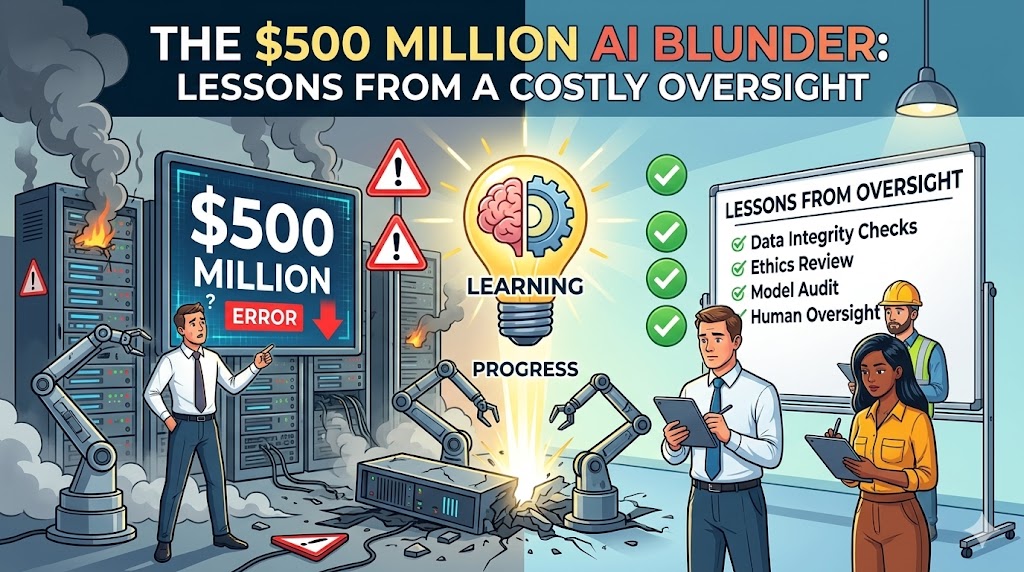
In an astonishing turn of events, a mystery company reportedly spent a staggering $500 million on Claude AI licenses within a single month. The cause? A failure to implement usage limits on employee licenses, leading to unchecked consumption of the service. This incident not only raises eyebrows but also serves as a cautionary tale for startups and developers navigating the complex landscape of AI technology.
Understanding Claude AI
Claude AI, developed by Anthropic, is designed to assist in various tasks, including customer support, content generation, and more. As more companies adopt AI technologies, leveraging tools like Claude AI can improve efficiency and drive innovation. However, without proper management and oversight, these powerful tools can lead to significant financial repercussions.
Key Features of Claude AI
- Natural Language Processing: Claude AI excels in understanding and generating human-like text.
- Customizable Models: Businesses can tailor the AI's responses based on their unique needs.
- Integration Capabilities: Claude AI can integrate seamlessly with various software solutions, enhancing its utility.
The Cost of Overlooked Management
This incident highlights a critical flaw in management practices when adopting new technologies. The lack of usage limits not only resulted in excessive costs but also indicates a disconnect between operational oversight and technology implementation. Here are several factors that contributed to this costly oversight:
- Rapid Deployment: Companies often rush to implement new technology without establishing proper controls.
- Lack of Training: Employees may not fully understand the implications of their usage, leading to unintentional overspending.
- Inadequate Monitoring Tools: Without effective monitoring systems, organizations can't track usage and spending efficiently.
The Importance of Usage Limits
Implementing usage limits on AI licenses is essential for cost management. Here’s why:
- Preventing Overspending: Usage caps can help contain costs and prevent budget blowouts.
- Encouraging Responsible Use: Limits can foster a culture of mindfulness about resource usage among employees.
- Enabling Better Forecasting: With controlled usage, companies can more accurately predict and manage their AI-related expenses.
Lessons for Startups and Developers
For startup founders and indie hackers, this incident provides several key takeaways for managing AI software expenses:
1. Establish Clear Usage Policies
Before deploying AI tools, define clear usage policies that outline how employees should utilize the technology. This can include:
- Setting daily or monthly limits on usage.
- Providing guidelines for acceptable use cases.
- Regularly reviewing and adjusting policies based on usage patterns.
2. Invest in Monitoring Tools
Utilizing software that tracks usage and spending in real-time can provide valuable insights into how AI tools are being used. Consider:
- Implementing dashboards that visualize usage data and spending trends.
- Setting up alerts for unusual spending patterns to catch potential issues early.
3. Train Employees on Usage Best Practices
Providing comprehensive training on the effective use of AI technologies can mitigate the risks associated with unchecked usage. Focus on:
- Educating staff about the cost implications of excessive usage.
- Demonstrating how to use the technology efficiently to meet their goals.
4. Regularly Review AI Contracts
Understanding the terms and conditions of AI licensing agreements is crucial. This includes:
- Knowing how usage is measured and billed.
- Identifying any penalties for exceeding usage limits.
- Negotiating terms that allow for scalability without incurring exorbitant costs.
5. Create a Cross-Functional Oversight Team
Establish a team responsible for overseeing the deployment and usage of AI technologies. This team should include:
- Members from IT, finance, and operations to ensure a well-rounded perspective.
- Regular meetings to assess usage, costs, and any necessary adjustments to policies or tools.
Comparison of AI Usage Management Tools
| Tool Name | Features | Pricing Model | Ideal For |
|---|---|---|---|
| Tool A | Real-time monitoring, alerts | Subscription-based | Small to medium businesses |
| Tool B | Usage analytics, reports | Pay-per-use | Large enterprises |
| Tool C | Customizable dashboards | Tiered pricing | Startups |
| Tool D | Employee training modules | One-time fee | All business sizes |
FAQ
Q: What was the main cause of the $500 million expenditure?
A: The expenditure was primarily due to a lack of usage limits on AI licenses, leading to uncontrolled consumption by employees.
Q: How can startups prevent similar incidents?
A: Startups can implement clear usage policies, invest in monitoring tools, and regularly review AI contracts to ensure responsible usage.
Q: What are the benefits of using monitoring tools?
A: Monitoring tools help track usage and spending, providing insights that can prevent overspending and encourage responsible use of AI resources.
Q: Should all employees have unrestricted access to AI tools?
A: No, it’s best to establish usage limits to encourage responsible use and manage costs effectively.
Q: How often should usage policies be reviewed?
A: Usage policies should be reviewed regularly, ideally quarterly, to adapt to changing needs and usage patterns.
Bottom Line
The staggering $500 million expenditure by a mystery company on AI licenses serves as a potent reminder of the importance of effective management and oversight in technology adoption. For startups and developers, the lessons learned from this incident can pave the way for more prudent and sustainable AI practices. By establishing clear usage limits, investing in monitoring tools, and fostering a culture of responsible use, businesses can harness the power of AI while safeguarding their financial health.